

Summer ’36 Ending Explained: Directed by Frédéric Garson, Netflix’s French series L’Été 36 stars Julie de Bona, Sofia Essaïdi, Constance Gay, Miou-Miou, Nolwenn Leroy, François-Xavier Demaison, Sam Karmann and others. The series consists of 6 episodes, each of which lasts approx. 60 minutes.
Summer ’36 Ending Explained
Why Was Raoul Delaunay Framed for Adrien Jacquart’s Murder, and What Happened to Him?
Even though it was not Raoul Delaunay who committed the murder of Adrien Jacquart, the man had quite a number of enemies and motives to be the perfect scapegoat for the crime. In Summer ’36, Raoul is shown as one of the novel’s real villains. To begin with, he washes money for the Nazis, he makes desperate attempts to get Jacquart’s notebook that holds proof of his crimes, he blackmailed Giulia using her debts from gambling, he threatened Suzanne to get what he needed, he put pressure on Henri to work with him, and finally, he had Félix killed because the latter interfered when he was trying to blackmail Giulia.
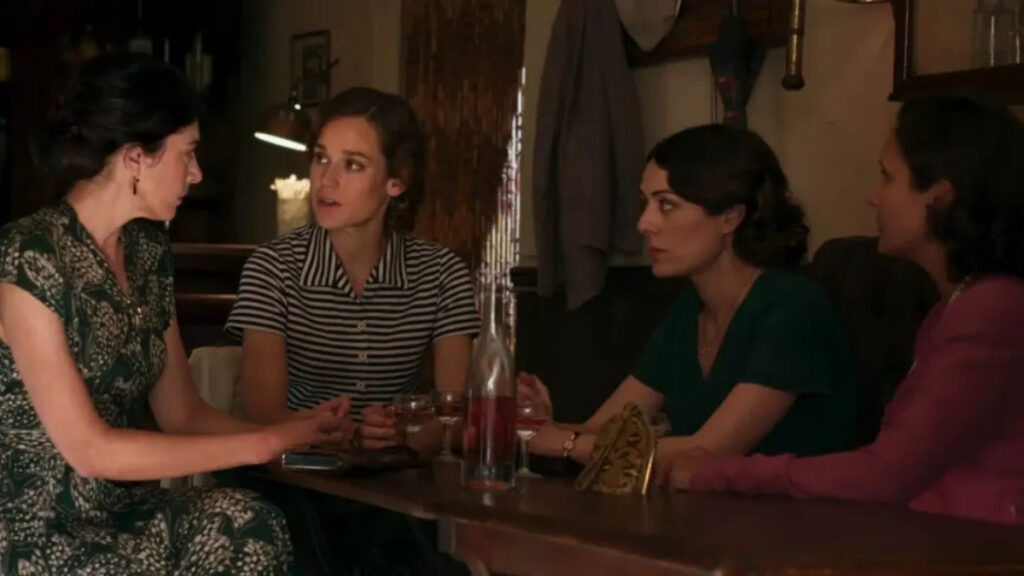
Even though everybody around knew about the danger and corruption of Raoul, the man always managed to avoid any sort of punishment for his actions due to his rich background and clever alibis. The murder of Félix made Léonie understand that she would hardly manage to prove his guilt legally. Not wanting to lose him a second time, Léonie makes a deal with Eugénie, Giulia, and Blanche. Eugénie comes up to Raoul and offers to sell her family’s factory, stating that she is prepared to give him anything, but only on the condition that he gives her back Jacquart’s notebook.
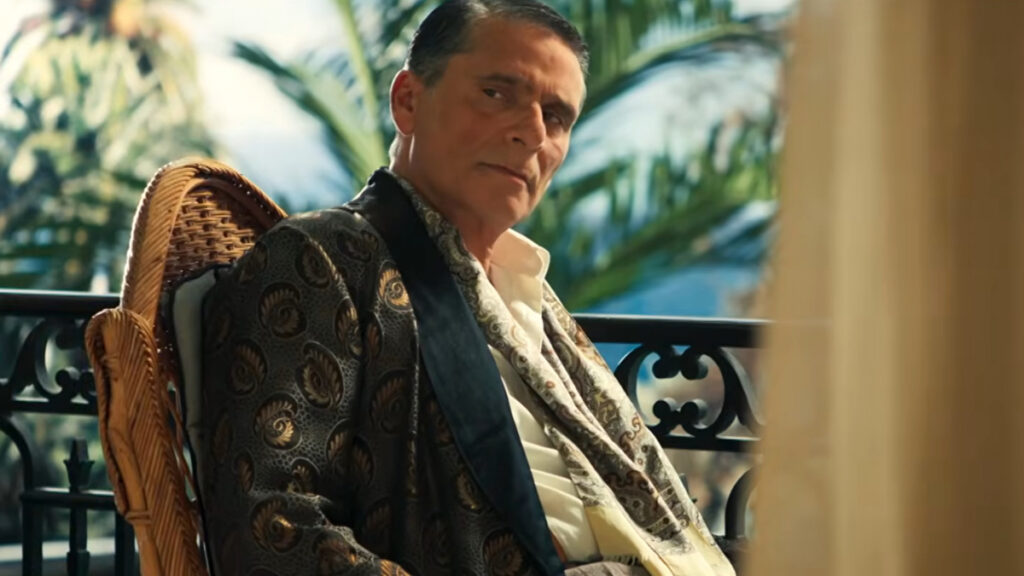
Thinking that he finally has what he needs to make his life miserable, Raoul goes off to fetch it, but at the same time, the women implement the second part of their plan. While Raoul is busy with that, they secretly get into his safety deposit box and hide there various pieces of evidence against him, among which are the letter opener supposedly used to kill Jacquart, rat poison responsible for Edgar Girault’s death, and the fraud summon that Raoul has against Jacquart.
A short while later, Joseph informs the fact that the safe belonging to Raoul has been tampered with, and Raven begins to probe into the matter. The false pieces of evidence being discovered one by one give way to a story which explains how Raoul had killed Jacquart and Edgar in order to eliminate the witnesses to his crime. Thus, the well-laid plan finally ensnares the man who had played his games for many years.
Who Really Killed Adrien Jacquart?
The true murderer of Adrien Jacquart is Anne-Marie, which is a fact that turns everything on its head when it comes to viewing the mystery at the heart of the series. In the course of the investigation, everyone turns out to be a potential culprit. Blanche used to be Jacquart’s lover until he brutally dumped her, Eugénie quarrelled with him when he threatened to make Louis his son, Jean found himself shattered after learning about his parentage, and Raoul had plenty of reasons to eliminate a person who could expose him. All these motivations made the true culprit stay in the shadows until Anne-Marie revealed her guilt and, more than that, the reasons for it.
Years ago, Anne-Marie had borne a son out of wedlock, something that had stayed hidden from most people surrounding her. The boy met an unfortunate end, being run over by someone in a hit-and-run, and the perpetrator happened to be none other than Adrien Jacquart. Rather than getting himself behind bars, Jacquart was let off the hook and left Anne-Marie to suffer from the immense grief she felt when she found out that the one who took the life of her son could continue his career as a prosecutor.
Years later, when the chance arose, she took her revenge and murdered him in cold blood. She didn’t kill him because of any form of material gain or anything else, like love or political motive, as was the case for many other suspects. She killed him out of a mother’s anguish for a son nobody remembered.
Why Was Edgar Girault Killed?
Edgar Girault’s murder was motivated by revenge and not by grief like Jacquart’s murder. Unfortunately, Edgar witnessed Anne-Marie kill Jacquart, and therefore, he had power over her. Instead of exposing what he had witnessed, he decided to take advantage of the situation. Having knowledge of Anne-Marie’s secret, he often blackmailed her into having sex with him against her will. He did not assist in bringing the murderer to justice, but he himself turned out to be another perpetrator who took advantage of a vulnerable woman.
At the end of Summer ’36, Marthe finds out about Edgar’s deed, and she believes that she needs to make him pay for it. Instead of confronting him publicly, she poisoned him secretly with rat poison, killing him without arousing any unnecessary suspicions towards her. In order to support her deceit, she accuses Jean of hanging around the hotel where Jacquart was killed, thereby shifting the blame to him. The reason why Edgar is killed goes beyond just hiding the murder of Jacquart. Edgar’s murder is also carried out in order to avenge himself for all the wrong things that he has done, especially abusing his power to victimise Anne-Marie endlessly without giving her an ounce of sympathy.
How Did Léonie Prove Her Father’s Innocence?
From the very outset of the French series Summer ’36, the true motive behind Léonie’s recruitment into the force was not to have a successful career, but rather to help save her father from being executed. By definition, he was found guilty of murder and just weeks away from being put to death by guillotine, but Léonie firmly believed that her father was innocent. During the investigation with Raven, which she did in secret, she made every attempt possible to re-investigate her father’s case.
She went through old files and archives, interrogated witnesses, and discovered flaws in the investigation process that revealed that some important pieces of evidence were ignored in the first place. In addition, she found out that her father had been hiding the fact that he had participated in the forgery of identity documents. While disappointed in his lying, Léonie soon figured out that all these actions had nothing to do with the murder.
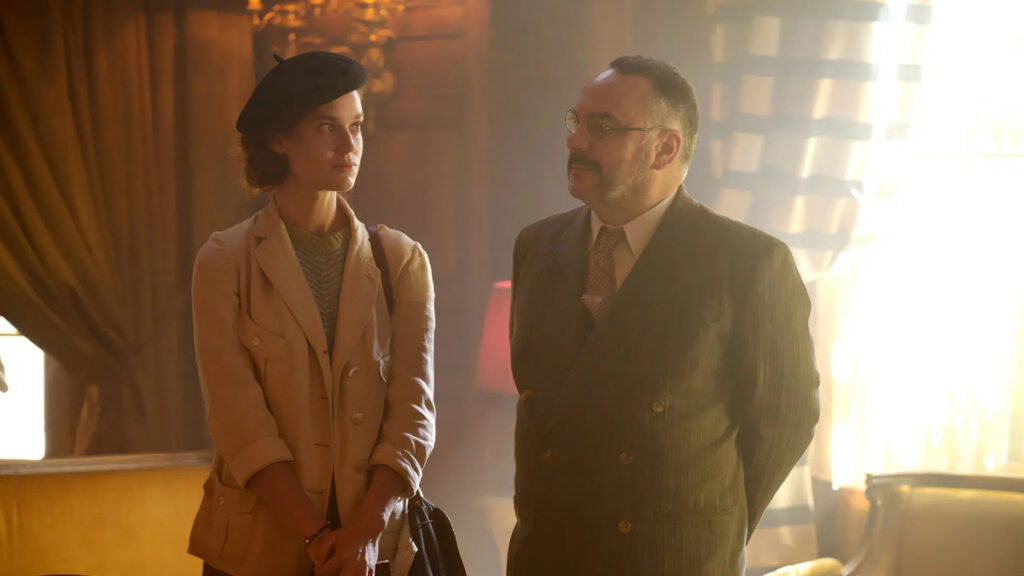
It all made sense during the Summer ’36 episode 6 as Léonie mentally reviewed Frédéric’s testimony once again. According to Frédéric, on the day of the murder, he went back to the printing shop in order to fetch his glasses and saw Leonie’s father leave the place after murdering his own father before putting his glasses on. Initially, Frédéric’s testimony seemed very logical and normal, but suddenly Léonie found a critical contradiction in what Frédéric had said. As Frédéric couldn’t see anything without his glasses, how could he identify anyone in the dark?
His testimony did not make sense. Recognising this, Léonie ran to Raven and informed her that Frédéric’s testimony was a lie. Together with Giulia, they went to see Frédéric and were able to prove that his testimony was false. The moment his testimony fell apart, so did all of the evidence that was against Léonie’s father, because this was what had proven him guilty. Being able to disprove the only witness who connected her father to the crime, Léonie’s father was now acquitted and set free.
What Happened to Anne-Marie in the Ending of Summer ’36?
Following the arrest of Raoul for the murder of Jacquart, Anne-Marie could not continue hiding. She felt overwhelmed by guilt for all those years, and seeing another person pay for her mistakes, at the end of Summer ’36, she confessed that it was she who murdered Adrien Jacquart. However, much to her surprise, Raven refused to believe her because he saw the big picture of the case.
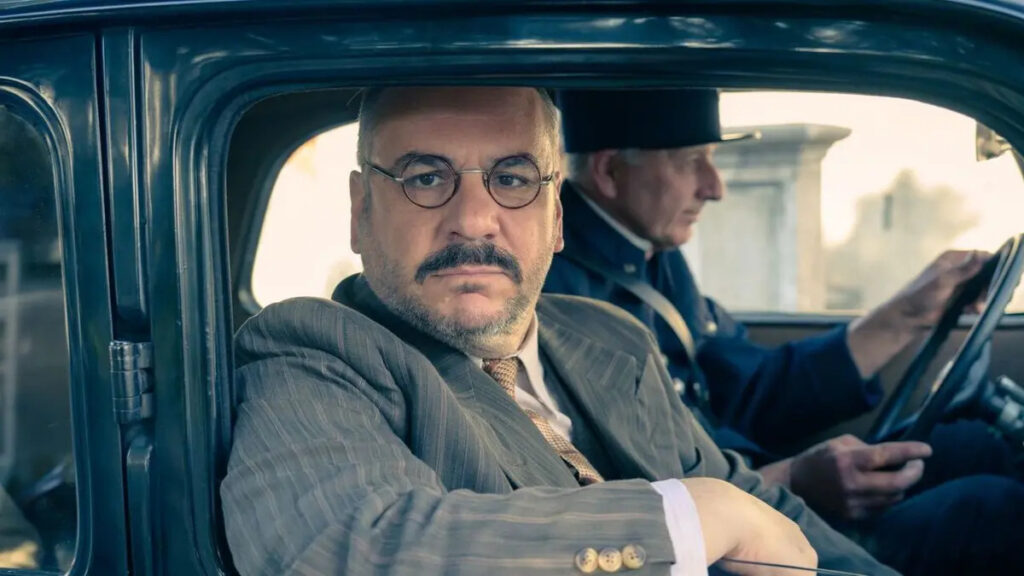
Raoul was known to have been a terrifying threat to many, blackmailed Giulia, had worked with the Nazis, conned Henri, and above all, had organised the assassination of Félix while staying out of trouble because of his power and connections. Raven realised that opening the case would only lead to a repeat performance by Raoul while putting Anne-Marie through the same pain once again. Instead, he decided to leave well enough alone and let the official story be told, which would save Anne-Marie from any legal trouble. This is not a legal decision but Raven’s justice as he sees it.
How Does the French Series Summer ’36 End?
Before the French series Summer of 36 ended, almost all characters got a fresh start after having spent several weeks in secrecy, deception, and sorrow. Eugénie takes up the role as the owner of the factory owned by her family and also makes peace with Jean, who now understands that his status as the father of Louis does not have anything to do with biology. They both confess to Louis what the reality is concerning the truth about his fatherhood, and the discussion ends up making their family stronger than ever before.
Blanche also gets another chance after realising that Édouard is a man of strong morals. The two decide to move to America because of the increasing unrest in Europe. Giulia keeps her daughter away from the influence of Raoul and waits for Joseph to return from Spain, where he goes for humanitarian work. The journey of Léonie also reaches its conclusion when she finally succeeds in exonerating her father and taking down Raoul, and decides that she no longer fits into the confines of the police force.
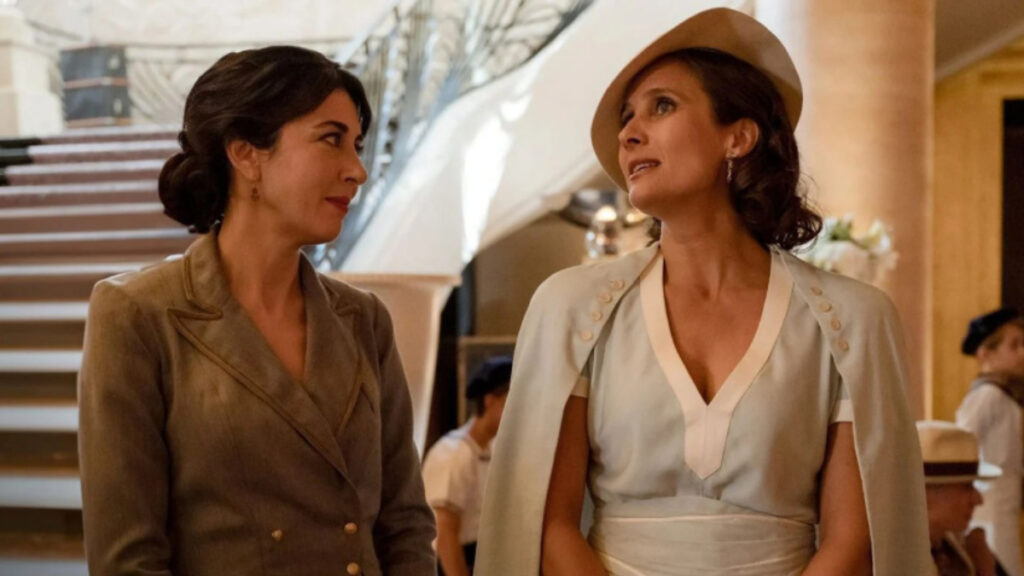
She therefore quits her job and goes on to form her very own detective agency, with Madeleine joining hands with her as a business partner. At the same time, Raven decides to end his career as a detective and take up an assignment to teach at the police academy. In the ending of Summer ’36, we see Léonie, Eugénie, Giulia, and Blanche viewing fireworks together from the rooftop, thus portraying the picture of four women who came from different walks of life and were marked by scars, yet managed to work together to defeat those men who used to rule over their lives.
Also Read: Summer ’36 Review: Compelling Murder Mystery That Sometimes Loses Itself in Too Many Side Stories
