

Poldi Review
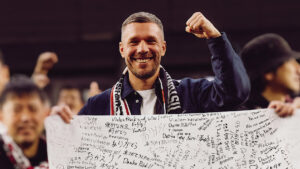
Director: Kai Sehr, Nicolas Berse-Gilles and Simone Schillinger
Date Created: 2026-06-05 03:38
3.5
Poldi Review: Directed by Nicolas Berse-Gilles, Simone Schillinger, and Kai Sehr, Netflix’s documentary runs for 94 minutes and takes a closer look at the life of German football legend Lukas Podolski.
Poldi Review
Heading into Netflix’s Poldi, I figured it would be like other sports docs. But, while Poldi does that too, it takes things in a different direction pretty fast. They’re not focusing on proving that Podolski is a football great – his accomplishments are obvious. Rather, the film is curious about what makes Lukas Podolski tick when he’s not centre stage with football.
The Netflix documentary Poldi stands out for its heartfelt approach. It zeroes in on family, community, and personal responsibility through heartfelt chats, not fancy stadiums. The film shines a light on Podolski’s bond with Cologne, which proves super important. It showcases not just his time playing soccer there but who he is as a person. Both the local love and his evident pride explain why he’s remained so dear to folks, even post-prime.
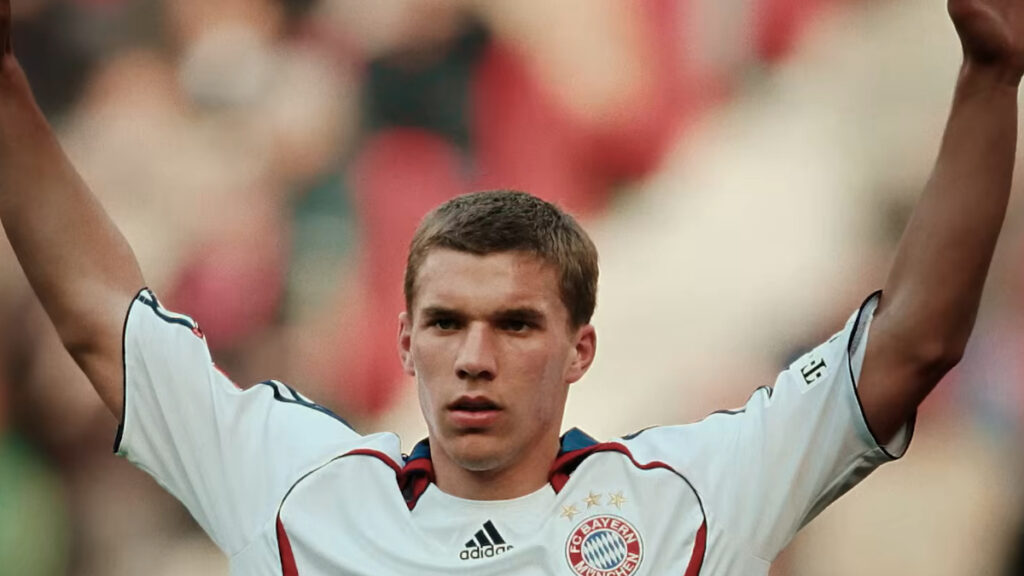
I love how genuine Podolski is on screen, too. Many sports docs make athletes seem too cautious or self-aware, but not Podolski. He’s comfy, cracking jokes and admitting mistakes, even talking about awkward stuff. His honesty makes the doc more relatable, keeping you engaged through the slower bits.
The parts about his wife, Monika, really stand out. Instead of portraying their marriage as perfect, the doc openly shows how fame and football can strain relationships. They discuss drifting apart, having communication issues, and experiencing temporary separations. This makes the film more emotionally powerful. It reveals that behind the glamour lies a family dealing with stuff many people can relate to. In fact, those bits struck me more than yet another win montage would have. Watching their real struggles was far more moving.
I was hoping for a deeper exploration of Lukas Podolski’s career, but I was a bit let down. The doc touches on major highlights, from his starting in Poland, rising in Germany, becoming a young star, and winning with the national team. Despite this, most of these parts are pretty brief. Some club stints and key moments speed through as if the filmmakers think we already know the stories. So, while there are good sections, it skips over things that could have benefited from more detail.
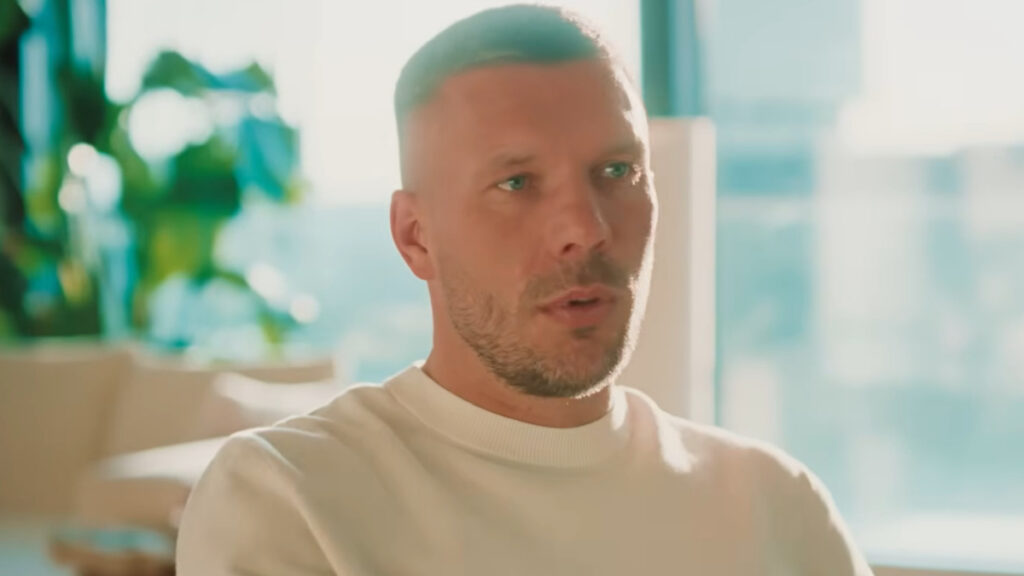
I wish the German documentary Poldi would explore some tough parts of his career more deeply. It mentions the struggles and setbacks, but it doesn’t really dig into them. When the story comes across complex topics, it usually moves on quickly. Though this keeps things smooth, it prevents the film from being truly definitive about its subject.
The structure works well most of the time. By switching between past and present, the documentary builds reflection. We see Podolski look back on his origins and think about his future path. Adding recent game clips raises ongoing questions about his retirement, identity, and purpose. Podolski constantly searches for new challenges, in sports, business, or community work; he can’t seem to sit still. He just keeps going, whether through playing, starting companies, or volunteering.
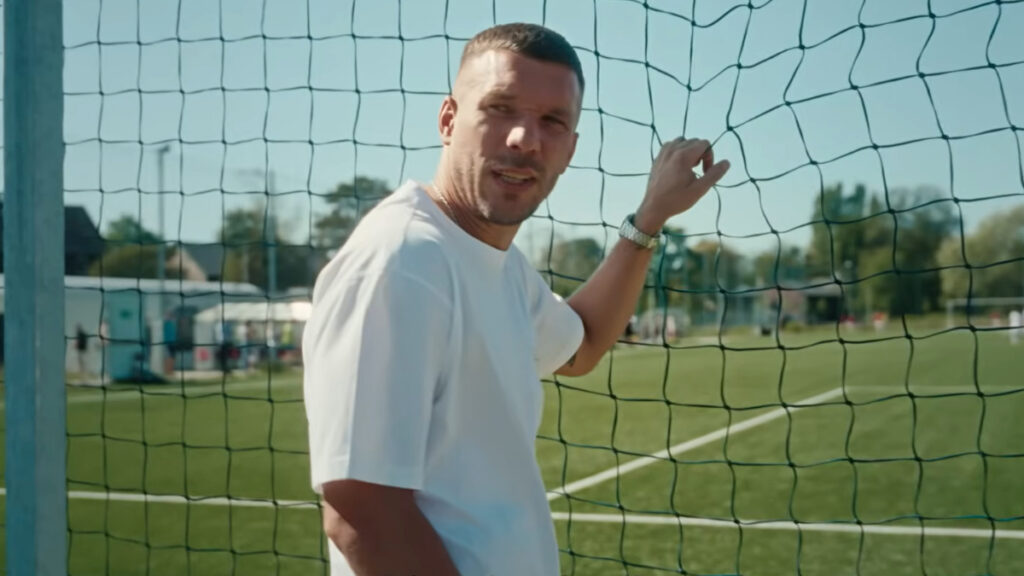
The theme becomes more meaningful as the documentary wraps up. What starts as a potential simple retirement tale turns into something deeper. Podolski’s doubt about leaving football highlights how athletes identify themselves beyond their sport, after devoting so many years to it. This ending fits since it matches the character developed over more than an hour. He’s not the type to easily close a chapter; he’s always searching for what’s next.
Netflix Poldi Review: Summing Up
In the end, German documentary film Poldi works thanks to its charming subject, not so much its structure. Lukas Podolski’s charisma, humour, and openness keep things interesting even when the film hits some slower parts. It might not be a deep investigation or an all-encompassing football tale like some hoped, but it gives us something priceless, a peek into the real Lukas behind the athlete persona. Instead of diving deeply into his sport, the movie centres on his family and who he is outside of football.
Also Read: The Witness Review: Heartbreaking and Emotional Story of Grief, Trauma and the Search for Peace
