

Notes from the Last Row Review

Director: Kim Kyu-tae
Date Created: 2026-06-26 18:01
4
Notes from the Last Row Review: Directed by Kim Kyu-tae and written by Jang Myung-woo, Netflix series 맨 끝줄 소년 is a six-episode psychological thriller adapted from Juan Mayorga’s acclaimed Spanish play El chico de la última fila. The series stars Choi Min-sik as disillusioned literature professor Heo Mun-oh alongside Choi Hyun-wook as the mysterious student Lee Kang, with strong supporting performances from Huh Joon-ho, Kim Yunjin, Jin Kyung, and others.
Notes from the Last Row Review
Netflix’s Notes from the Last Row is certainly not your average Korean drama that is eager to please its audience because the show tells an extremely unsettling story about ambition, manipulation, and the dark power of storytelling. Indeed, the plot revolves around the fate of literature professor Heo Mun-oh, who is a novelist and whose career was doomed to fail almost right after it started.
Mun-oh teaches boring classes and has lost all passion for his job, but everything changes when he meets the writing of Lee Kang, a shy student who is always at the last row of the class. Intrigued by Lee’s keen eye and unique outlook, Mun-oh decides to mentor him without realising how quickly they will get obsessed with each other.
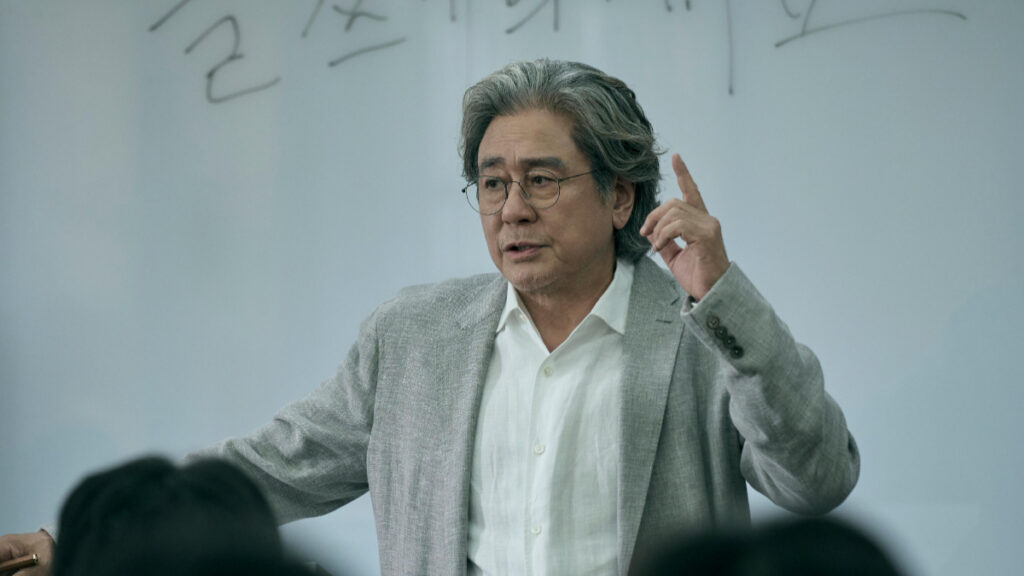
Immediately, what resonated well with me is how the Netflix Korean drama Notes from the Last Row does not look at the act of writing as simply a job or hobby. In this show, the process of storytelling becomes the weapon itself. When Lee Kang delivers each piece of writing, it feels like it was something that I had to read exactly how Mun-oh does – looking for some deeper meaning behind the lines and trying to distinguish fact from fiction. It creates a sense of anticipation, but not in a traditional twist of the thriller genre.
Choi Min-sik yet again proves that he is still one of Korea’s best actors. Mun-oh is not an easily likeable character, because he is an insecure, frustrated, selfish, and hurt person. However, Choi does not make it easy for the viewers to feel sympathy for his character. The actor slowly exposes how a lifetime of failures and lack of success made Mun-oh dependent on being recognised. It is captivating and unnerving to see how Mun-oh starts depending on the writing of Kang, as the obsession is natural rather than overstated.
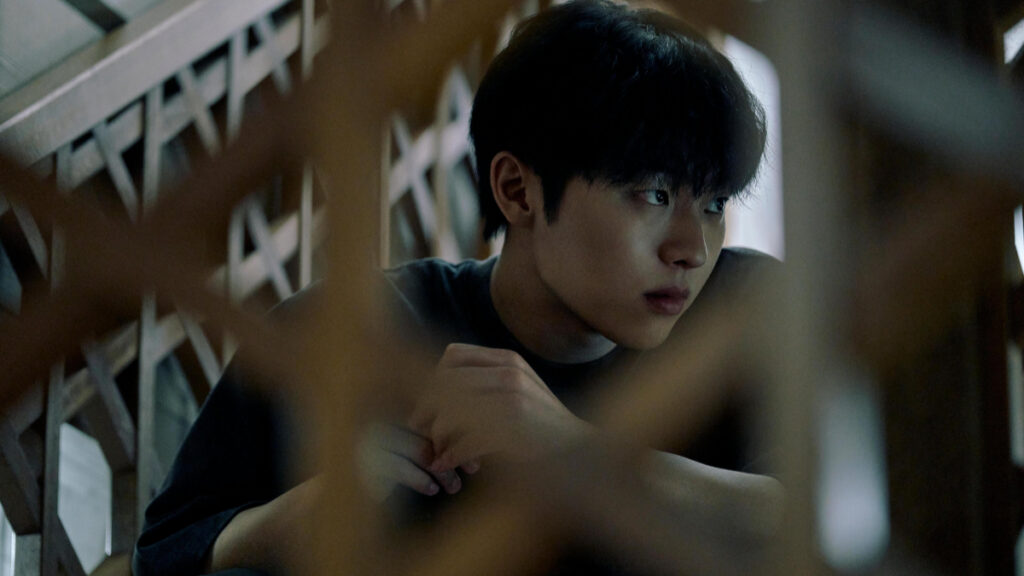
No less talented is Choi Hyun-wook in the role of Lee Kang, which represents one of the best acting achievements of the actor. The author is wise enough not to provide excessive information about this hero, and therefore, it is Lee Kang’s restraint that becomes his strongest asset. The character hardly ever explains anything, does not speak more than is necessary, and always makes Mun-oh, and even the viewer wonders about his intentions. There is always some tension in each dialogue, as Kang does not seem to be entirely transparent.
Additionally, Kim Yun-jin should not be overlooked as Mun-oh’s wife and the one who usually turns out to be the emotional crutch of the plot. Although her character does not receive as much exposure as the mentor/mentee storyline, she effectively communicates the disappointment of living alongside a man who feels emotionally bound by his past mistakes and is always chasing what he has already lost. In this way, I liked how the series did not fall into the cliché of portraying her as the ignored wife. Rather, she turns out to be the symbol of a life that Mun-oh gradually gives up in favour of his fixation on Lee Kang.
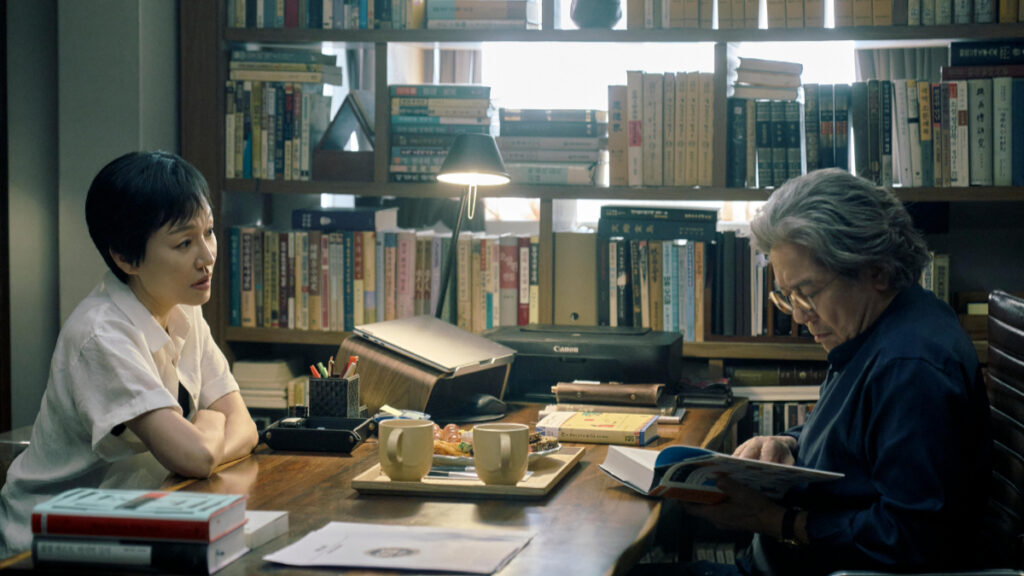
Also, I like the fact that this obsession is viewed from many angles. Yes, Mun-oh might be the main character in the story, but every other character in the plot bears some form of emotional baggage. It seems as though everyone in the plot has some hidden feelings, and as the relationships start breaking up, the feeling of trust slowly fades away, and even a conversation becomes very awkward and uncomfortable. Instead of shouting and yelling, silence tells so much more.
Also Read: Another Self Season 3 Review: Warm, Wistful and Emotional Goodbye to Three Unforgettable Women
From the visual aspect, Kim Kyu-tae must be praised for keeping up the disturbing atmosphere throughout the whole Netflix series Notes from the Last Row. The emptiness of lecture halls, the gloominess of offices, and the precise framing of the interior make it obvious how lonely Mun-oh is emotionally. All the ordinary scenes have a hidden weight due to the subtle directing. There are no special effects of the camera; on the contrary, everything reflects Mun-oh’s mental state.
That being said, the kdrama Notes from the Last Row does have its downsides. The slow pace requires some level of patience from the viewer, and at times, one may wish that the pace would be accelerated somewhat. Also, the show sometimes returns to the same emotional points before progressing further, thus feeling somewhat repetitive. Because of the nature of the mystery, the plot can spend more time on keeping the audience guessing than informing them of anything new.
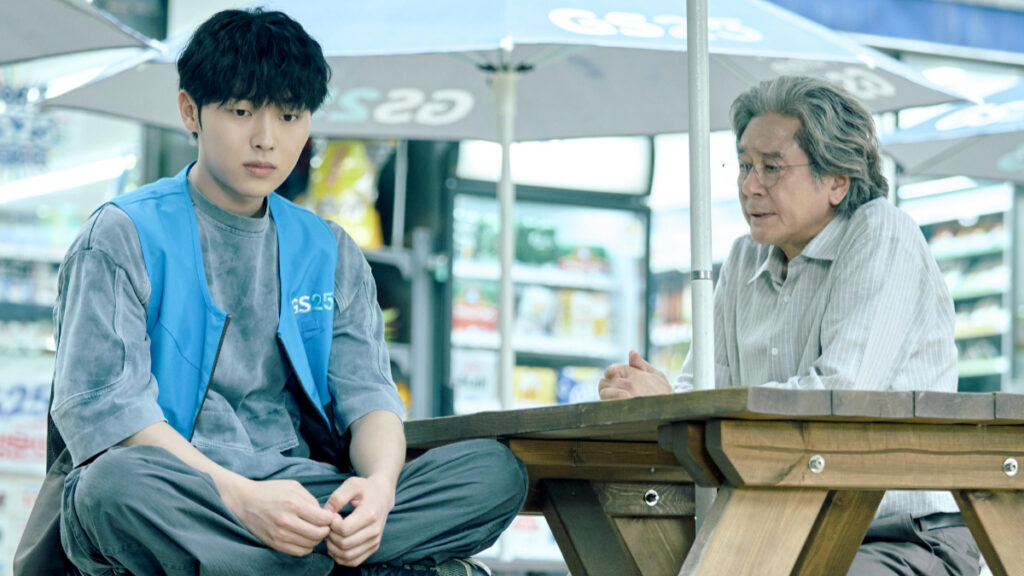
Despite all of that, I was still engaged, since the emotional drama was always the focal point. This show is not trying to wow with twists all the time, but it is looking at how adoration can gradually turn to jealousy, how frustration can lead to destruction, and how people can impose their own fantasies on other people’s genius. These are the topics that will stick with you for days after watching just one episode.
Netflix Notes from the Last Row Review: Summing Up
If you’re hoping for a thrilling mystery and twists at every turn, Netflix’s kdrama Notes From The Last Row will be a let-down for you. But then again, if you are ready to appreciate the slow pacing, complex performances, and deep character study in this show, then it will prove to be worth your while. Choi Min-sik and Choi Hyun-wook anchor this drama with their amazing performances, and there is no doubt that this show is going to keep you guessing about who is actually driving the story here.
