
Colors of Evil: Black Ending Explained: Adapted from the book by Małgorzata Oliwia Sobczak of the same title and directed by Adrian Panek, this Netflix Polish crime thriller Kolory Zła: Czerń stars Jakub Gierszał as Prosecutor Leopold Bilski, Marianna Zydek as Julia Sarman, Andrzej Chyra, Bartosz Mikulak, Beata Ścibakówna, Adam Bobik, Dorota Ruśkowska and others.
The movie portrays Bilski’s search into the kidnapping of a young boy that is subsequently associated with a year-old sexual abuse scandal at the church, a missing child case which was not solved before, and the strange folklore story in the town called the Łopi. However, as the buried truths are unearthed, the story uncovers the corruption and generational trauma associated with the place. Let’s break down the ending.
Colors of Evil: Black Ending Explained
What Really Happened to the Children in the Church Choir, and Who Was Responsible?
The most disturbing secret at the heart of the Netflix Polish film Colors of Evil: Black goes back several years to the church choir in the locality. While the initial impression may suggest a community with strong family ties and deep-rooted faith, the truth is far more sinister, as it is later discovered that the community harboured an abuse pattern that entailed sexual abuse of children from the choir. While the majority of those affected by the abuse took the issue to their graves, very few spoke out about it. While digging through the community’s past for more clues to its disturbing past, Bilski realises that the secrecy was deliberate.
In the end, the detective work uncovers Chojnacki, a rich and powerful businessman who had strong ties to the church, as the criminal responsible for the abuse. This was because he was powerful enough that no one suspected him. In addition, the tragedy gets worsened by the fact that the adults were well aware of what was happening but never spoke up against it. As a result, the children felt like they were being betrayed by both the church and their own family members. It turns out that even Julia herself is one of Chojnacki’s victims and just did not know about it until then. This is what creates the whole basis of the story.

Who Was Involved in the Cover-Up for Chojnacki?
The abuse itself is terrible enough, but the cover-up turned out to be equally destructive. As Bilski begins to unravel more pieces of information, he realises that there was much more to the conspiracy than one guilty party. The truth stayed buried due to the actions of several important people in the community who were determined to cover up the story and prevent the victims from coming forward. In many cases, parents did not want to discuss the issue because of social repercussions or denial of what had taken place.
Cover-up extends to even police officers and the judicial system. Adamczyk, the prosecutor, proved to be instrumental in ensuring that the truth did not come out in connection with the kidnapping of Adam Poznanski. Another individual found guilty is Andrezj Pakosz, the superior of Bilski, after it had become clear that he was complicit in keeping secret information in connection with the abuse allegations. What makes the disclosure extremely heartbreaking is the fact that Pakosz was aware that his own son was one of the victims of the scandal.
Far from coming out clean, Pakosz opted for protecting the institution responsible for the abuses. By the end of Colors of Evil: Black, Bilski understands that the real trouble in the town had nothing to do with one culprit but an entire community of people who valued secrecy over the truth.
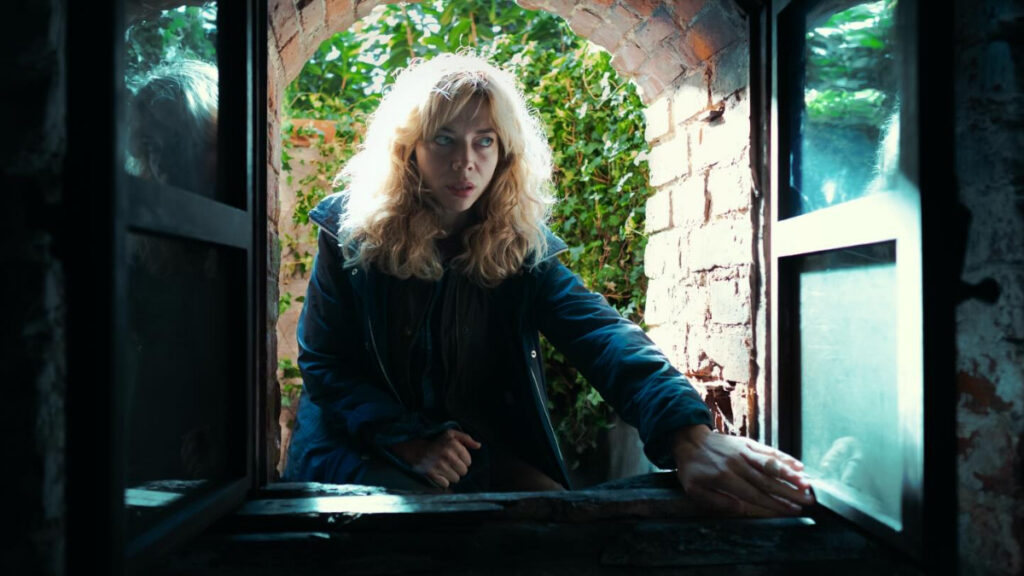
What Really Happened to Adam Poznanski in Colors of Evil: Black?
Although the disappearance of Adam Poznanski looks like an independent mystery, in the end, it turns out to be intricately intertwined with the criminal activity in the town. Adam went missing two years prior to the beginning of events depicted in the film for mysterious reasons. According to the official version, the search was swiftly discontinued, with the police declaring that the boy had gone off to live with his family members somewhere else. Nevertheless, suspicions arise in Bilski when he sees the discrepancy in the story and lacks vital documents concerning the case.
As the plot thickens, it becomes known that Adam had been kidnapped by and moved around with people associated with the Chojnackis. On the way, the scared boy tried to free himself by jumping off the speeding car. As for the circumstances of his death, they were somewhat left ambiguous, but it is evident that Adam did not manage to live through this episode. Later, Nicki was forced to dispose of Adam’s corpse.
It turns out that the horrifying prologue of the movie, where the body of a small boy is cut up in the woods, is actually related to Adam. While Nicki disposed of the corpse, there are many indications throughout the movie showing that he did not orchestrate the crime alone.
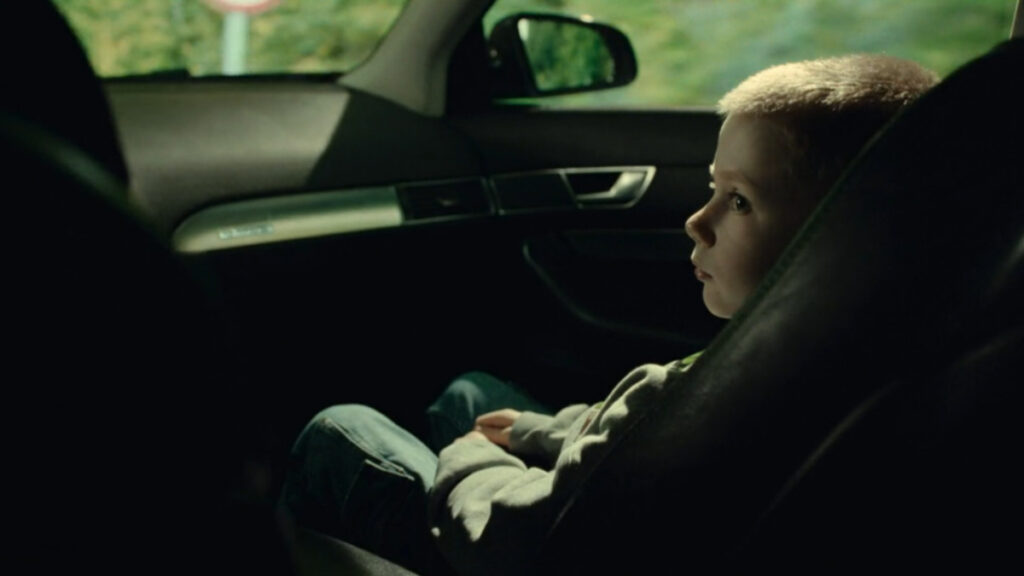
How Did Bilski Find Piotruś and Who Was Behind the Kidnapping?
The kidnapping of Piotruś forms the core of the plot of this movie, and for the greater part of it, the crime is thought to be committed by several people who may not necessarily be related. In light of the fact that the story involves the issue of child abuse in the church and the Chojnacki family, Bilski suspects that perhaps one of their family members might have been responsible for abducting him. Nevertheless, he soon learns that his suspicions are unfounded after discovering something about the lore of the region’s Łopi or vampire legend.
It eventually turns out that the kidnapper was Nicki, an illegitimate son of Chojnacki. The life of this boy had been marked by incredible suffering. His mother was beaten by her lover, the father, when she was a little girl, while Nicki himself was brought up in complete isolation, in fear and confusion due to stories imposed on him. When discovering that Piotruś had been born “en caul,” which according to local tales meant being the embodiment of vampirism, Nicki decided that he had to commit a ritual murder on the boy.
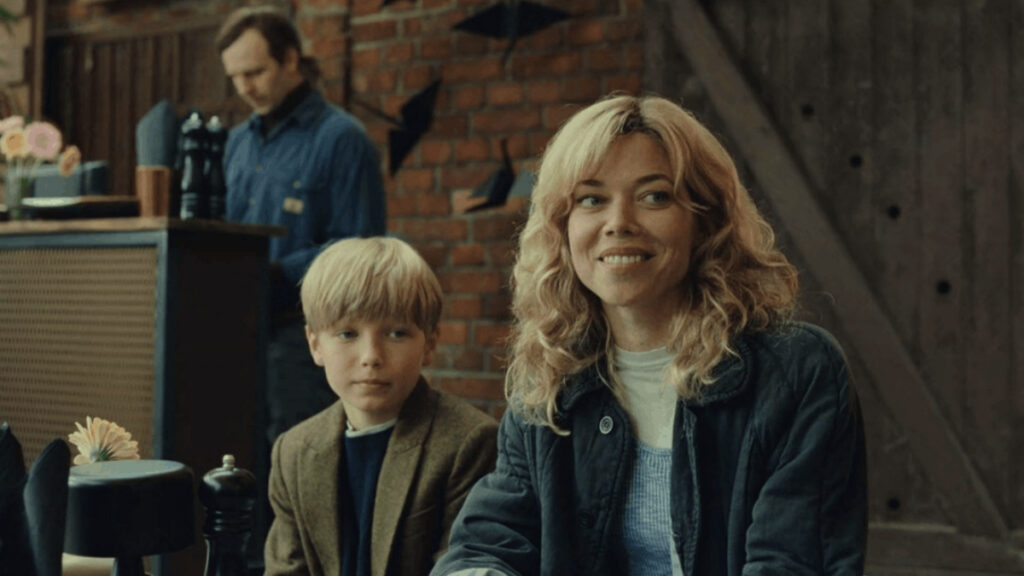
Bilski managed to solve the case, to find out where Nicki could be hiding, and to arrive on time to stop the murderer and save Piotruś from death. Thus, the ending of Colors of Evil: Black shows how the process of abuse led to a situation in which the former victim became a murderer himself.
What Was the Legend of the Łopi, and How Did It Help Solve the Case?
The story of the Łopi, at first glance, does not seem to be more than a local legend, but in the end, it turns out to be the answer Bilski needed to solve the mystery of both the murder of Adam Poznanski and the kidnapping of Piotruś. It all starts when Adam’s remains are finally discovered many years after he has gone missing. Not only is there something shocking about Adam being found dead, but there is an even more horrifying situation regarding how he was left by the murderer.
Adam had been beheaded, and his head placed in a position between his legs. This particular positioning makes one wonder about the intentions behind this kind of ritual. It was during his investigations that Bilski discovered the legends about the Łopi, which were said to attack the living.
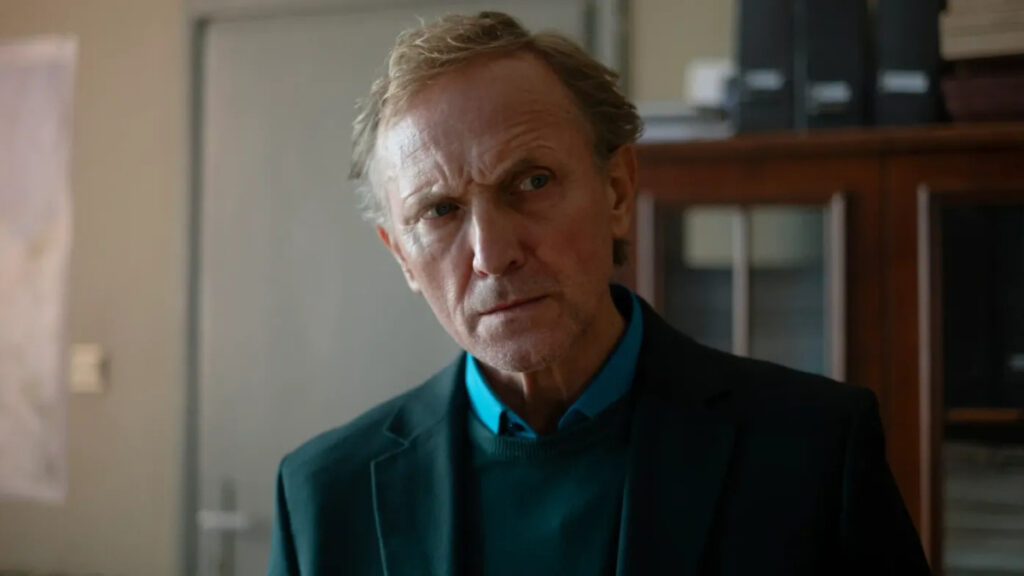
Based on folklore, individuals believed to have been turned into a Łopi underwent certain burial rites to ensure that they would not rise again from the grave. One such practice included decapitating the individual and laying their head between their legs. After discovering that Adam’s body was placed in precisely the same manner, Bilski understands that the murderer follows traditions rooted in folklore rather than being engaged in mindless killing. What makes this breakthrough all the more profound for Bilski is that he remembers Piotruś being born en caul, which was believed by local folklore to be a sign that one would eventually turn into a Łopi.
Also Read: Colors of Evil: Black Review: Dark and Disturbing Crime Thriller That Lingers
