

Colors of Evil: Black Review

Director: Adrian Panek
Date Created: 2026-06-10 19:16
3.5
Colors of Evil: Black Review: Directed by Adrian Panek, Netflix’s Polish thriller Kolory Zła: Czerń continues the story of Prosecutor Leopold Bilski, played by Jakub Gierszał. Adapted from Małgorzata Oliwia Sobczak’s bestselling crime novels, the film stars Marianna Zydek as Julia alongside Beata Ścibakówna, Zdzisław Wardejn, Adam Bobik, Róża Łukaszewicz, Andrzej Chyra, Bartosz Mikulak and others. It is about 110 minutes long and a follow-up to Colors of Evil: Red that explores another dark mystery involving not only the crime but also the many truths that lie behind such cases.
Colors of Evil: Black Review
While watching Colors of Evil: Black, I must say my experience was rather contradictory. Just as in the previous movie, this is not a thriller movie in the sense that it tries to surprise the viewer once every five minutes by some twist in the plot or fancy action scenes. The only thing that keeps you on edge here is the atmosphere, as well as the truth being revealed about a community long used to hiding its dirty laundry.
In Netflix’s Colors of Evil: Black, we are introduced to Leopold Bilski, who, after facing the repercussions of his earlier case, has now reached a tough spot regarding his job profile. Transferred from his earlier city to a small town in the Polish area of Kashubia, he quickly embarks upon solving the mystery regarding the disappearance of a young kid called Piotrus. This seemingly normal situation very soon turns out to be a very complicated affair indeed.

What I enjoyed most about the movie was how it didn’t attempt to find simplistic solutions. The inquiry turned into a portal through which decades of unspoken horrors, secrets kept by the community, and violence done to others that people would much rather not remember came to light. As Bilski asks the difficult questions, he comes to learn that everybody seems to know something about the horrors that have gone on there, yet very few people have been willing to talk about it.
The other element of this film that is one of the strongest points is its atmosphere. The world created by Adrian Panek is cold, isolated, and psychologically oppressive. Even in scenes where there is nothing scary on display, there is an ominous feeling present in each and every shot. This includes the forest areas, empty streets, old houses, and everything else.
Once again, Jakub Gierszał shows why Leopold Bilski is such a good character. Instead of showing him as an infallible investigator, whose solutions are always at hand, the movie shows him as a person forever fighting with frustration, bureaucracy, and his personal fatigue. He is determined but not showy; it’s quite easy to sympathise with him.
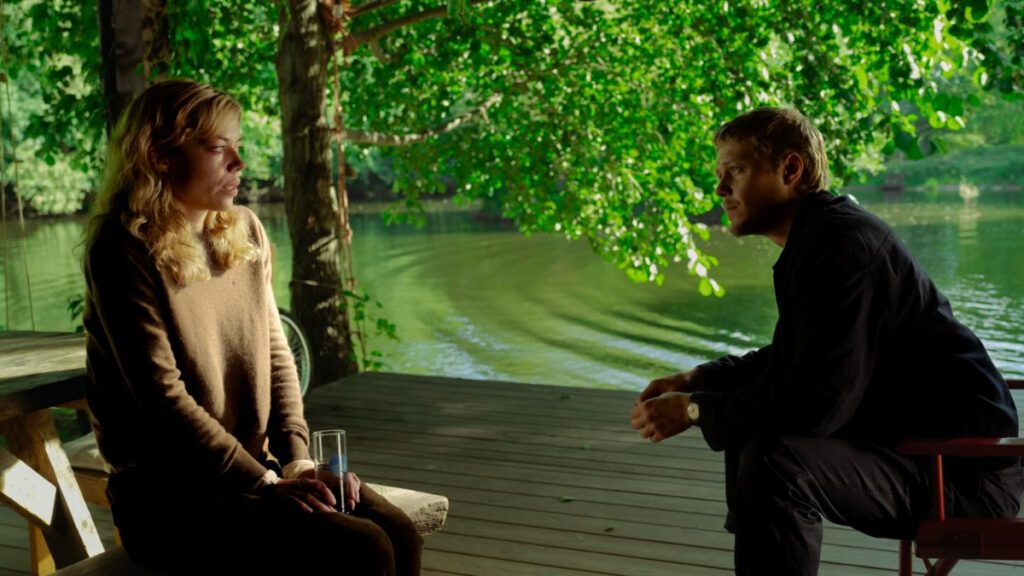
Bilski’s significance in this episode is that his role is very personal, despite it not having much to do with him. Each story that Bilski digs up seems to affect him on an emotional level. It also helps that the movie provides moments where Bilski shows vulnerability; otherwise, he would just be another stereotype of the crime-thriller genre.
Also Read: Every Year After Review: Second Chances, Old Wounds, and One Very Predictable Journey
In terms of the emotional element in the Polish thriller Colors of Evil: Black, one thing that made this movie significantly better than its predecessor is the emotional element itself. Although Colors of Evil: Red was a rather interesting concept, there were no instances where one could find themselves empathising with either the actors on screen or with the situation in general. On the other hand, offers something more; one has someone whom one can empathise with, and this comes in the form of Julia, played by Marianna Zydek.
Marianna Zydek gives a compelling performance as Julia in the movie. Whereas Bilski is the driver of the plot, it is Julia who gives the drama its emotional core. In her portrayal of Julia, Zydek shows how trauma doesn’t go away with time but continues to haunt victims. Zydek is able to give a believable and credible performance of a character who has had decades of pain while attempting to lead a normal life.
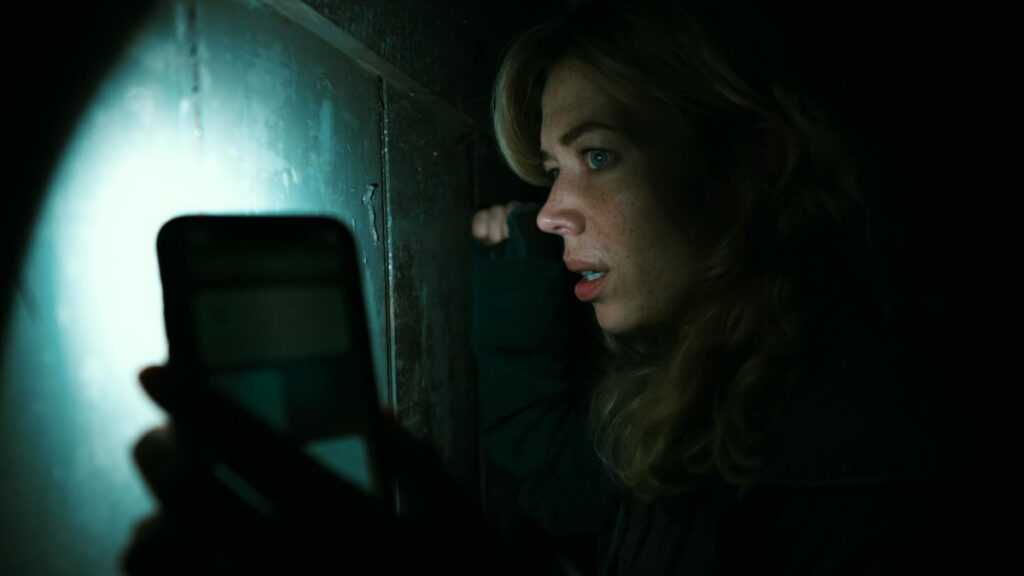
Instead of falling into the typical trap of making Julia appear like the conventional bereaved mother, Zydek gives her much more substance in the form of pain, fear, guilt, and strength. Her every reaction appears natural and is never forced to create an artificial impact on the audience.
Theme-wise, it seems to be much more of a focus on trauma rather than mystery in the Netflix Polish film Colors of Evil: Black. The disappearance of Piotrus serves as a way of bringing to light abuses committed many years ago. It is also an examination of how the scars of abuse are left behind even when the abuse itself has stopped occurring.
However, there are some weaknesses to this film as well. The problem with me lies with the plot’s predictability, which comes from the moment that the puzzle starts to unfold. Although the process itself can be quite fascinating, I was never taken aback because I already knew where it would lead. Quite a lot of twists seem common when it comes to films about corruption and abuse in small towns.

Nevertheless, it is worth mentioning that despite some negatives, the Netflix film Colors of Evil: Black was not boring for me to watch. It is because the film relies on its ability to investigate tough topics seriously instead of being sensationalist. Moreover, the film recognises that there is nothing frightening in shocking events, but in people’s ignorance about evil deeds.
Netflix Colors of Evil: Black Review: Summing Up
In conclusion, Colors of Evil: Black movie is a good sequel. The film does not try to reinvent the formula for crime thrillers, nor is it a puzzle that will leave anyone amazed. Nonetheless, its great performances, atmospheric setting, thought-provoking themes, and emotional plot development make it a good watch. Although the film follows predictable plot developments, it manages to stay disturbing enough.
