

The Stringer: The Man Who Took the Photo Review
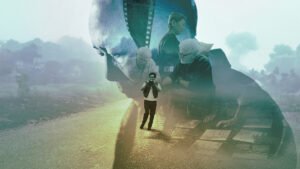
Director: Bao Nguyen
Date Created: 2025-11-28 22:42
4
The Stringer: The Man Who Took the Photo Review: Directed by Bao Nguyen, written by Terri Lichstein, Fiona Turner, Gary Knight and Graham Taylor, this 90-minute Netflix documentary interment of one of photojournalism’s deepest grudges, the actual authorship of the “Napalm Girl” photograph.
The Stringer: The Man Who Took the Photo Review
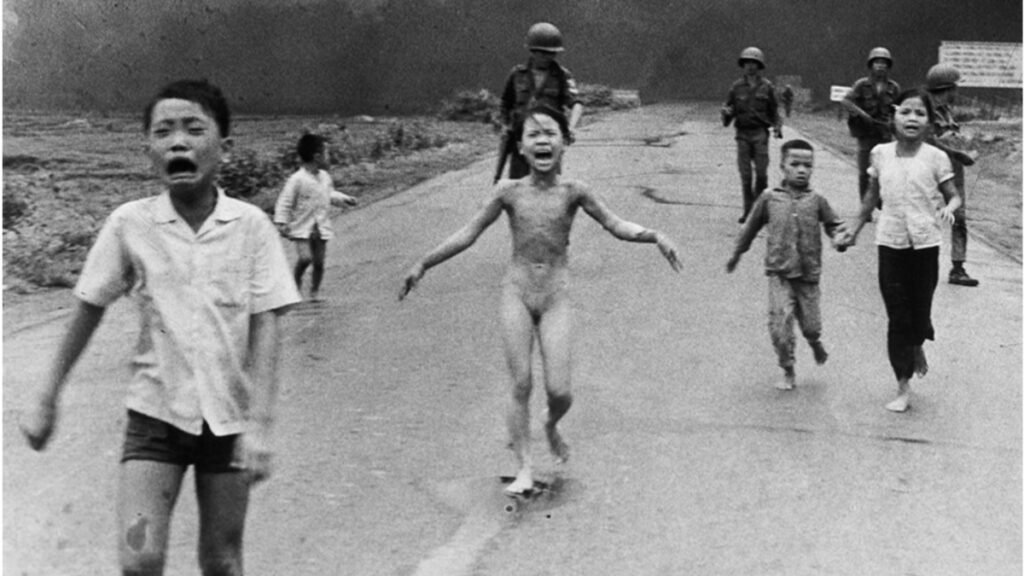
First, for those who don’t know Napalm Girl: The photograph shows a naked Phan Thị Kim Phúc, then a young girl, running in terror along a road after an American napalm attack burned away her clothing and some of the skin on her back in an incident that shocked the world and changed public opinion about the war. Securing the centrepiece of a gripping enquiry into credit, memory, and the ethics of journalism is an iconic image from the Vietnam War.
As a close watcher of visual journalism, Netflix’s The Stringer: The Man Who Took the Photo landed even harder than I anticipated. For decades, Nick Ut has been widely credited for the image, but the documentary forces us to reconsider that fact. Interviews, archival material and tearful confessions help the film stack up a circumstantial case that suggests the real photographer was a Vietnamese freelancer, Nguyen Thanh Nghe. My being was shaken by all this, and witnessing it led me to reflect on the fact that history has a habit of favouring those versions of truth that are more convenient — especially when powerful institutions align themselves with it.
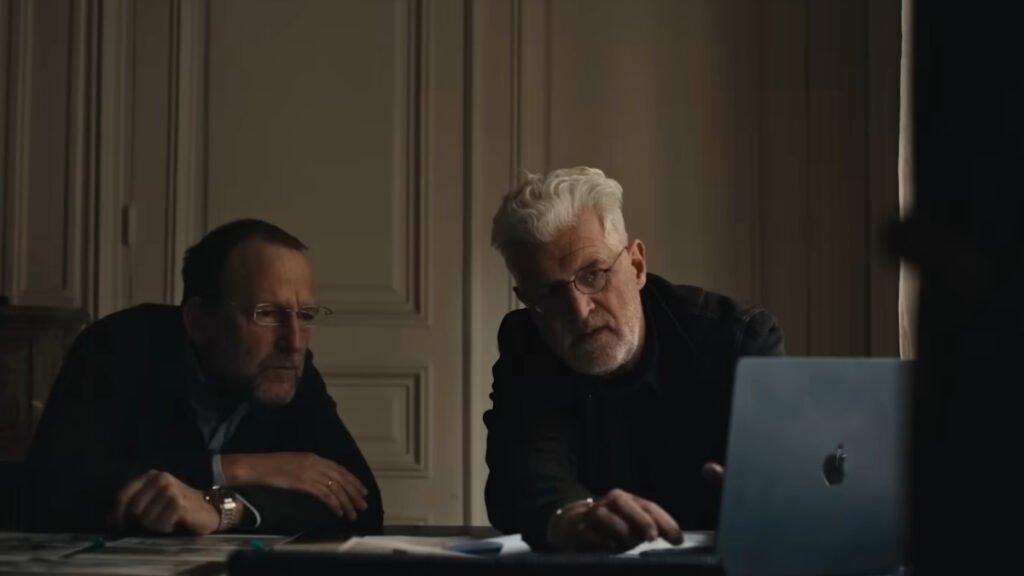
Adding further heft to the film is the way Bao Nguyen crafts his investigation. Guided by the British photojournalist Gary Knight and former AP editor Carl Robinson, the documentary becomes a journey driven by memory and regret. In that way, The Stringer: The Man Who Took the Photo Documentary becomes not just a search for answers but an examination—itself fair—and a means of reckoning with journalism’s ethics. Knight’s driven curiosity and Robinson’s guilt-ridden honesty combine to produce an eerie atmosphere that pervades the entire film.
But one thing that cut close to my own life when watching the documentary was how it emphasises how damn scary war-zone reporting can be. And I couldn’t help but wonder how war zone journalism is still one of the most punishing and emotionally brutal forms of journalistic reporting, if not more so now than ever. With everything that has been happening lately in Palestine, and even Sudan, all the way down to how the photojournalists risked their lives just so they could go out on the streets and take those photographs of what was being done to the civilians. And with journalists risking their lives made me realise once again just how important, but dangerous, this work is.
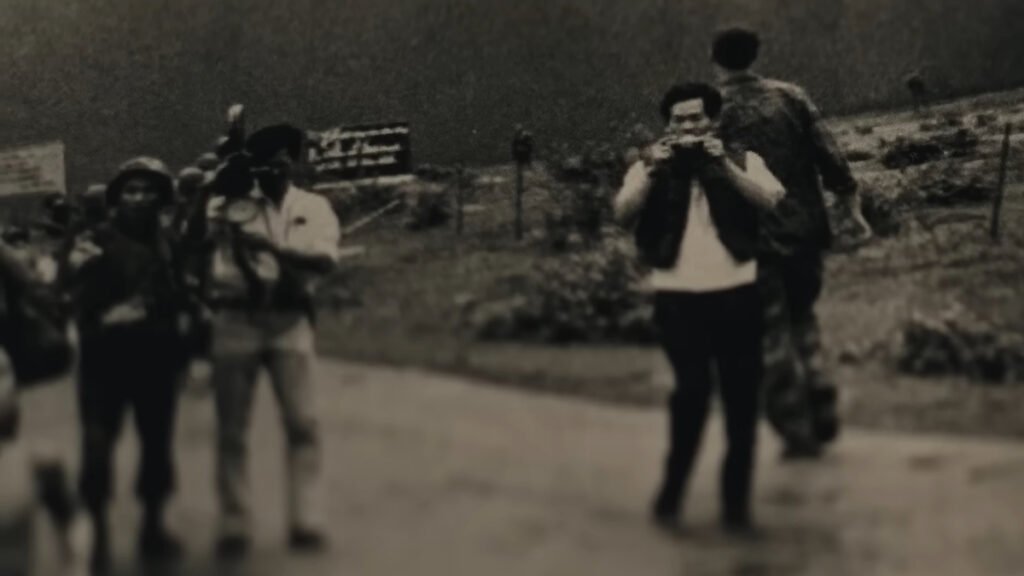
But as the story gets deeper, the film also weaves in emotional testimonies with technical inquiry. Enter the digital reconstructions and spatial mapping: With satellite imagery, reference photographs and laser-angle analysis, analysts try to figure out precisely where each photographer was standing in the chaos of that day. The outcome is shocking, and the film doesn’t assert an ultimate absolute, but Documentary The Stringer: The Man Who Took the Photo presents plenty of reason to seriously doubt official accounts.
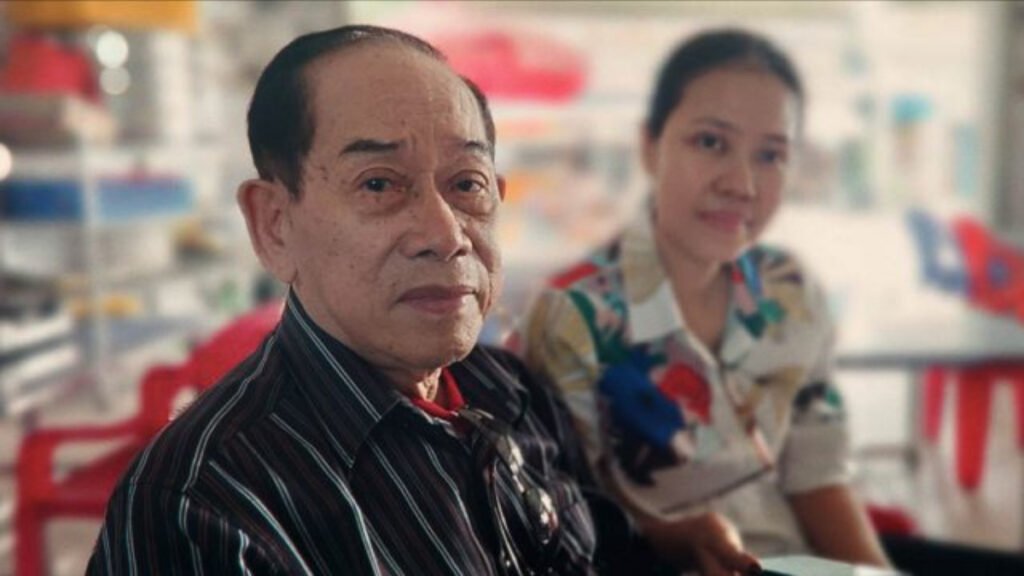
The thing that hit me the hardest, just personally, was waiting for Nguyen Thanh Nghe to finally appear on screen. His quiet dignity, his expression of calm truthfulness, made the whole story more real and painful. And with that, I got a quick reminder of the brutal freelance world. Freelancing is one of the most difficult forms of journalism, and not only because it makes you vulnerable to economic precarity but also because there is no promise of credit, protection or justice. Hearing Nghe’s story just made me sadder, to think of how many freelancers around the world face such erasure, especially in conflict zones.
Also Read: Dear X Episode 9-10 Review: Did Baek Ah-jin Just Meet a Psycho Like Herself?
As the film eventually turns to Robinson’s deep personal regret, it becomes clear that this is not a story about one stolen credit; it is instead about an entire system that too frequently puts institutional pride ahead of personal truthfulness. That emotional weight is what made me keep watching without looking away. The Stringer: The Man Who Took the Photo would be remiss not to comment on how bravely this documentary lays these systemic failures bare.
But I also had the sense that certain sections were missing crucial testimonies. There are some important voices that declined interviews, and the absence of them leaves a few small gaping holes in the narrative. But in a weird way, that imperfection suits the truth of real life — messy and incomplete, half-wrought by silence on the part of those who hold their tongues.
Even with those constraints, the film compels us to face one of the most ignored truths: History isn’t always told by those who lived it — but by those who had the stage, Which is why I could not help being reminded not just of the Vietnam War, but also of current wars — how stories are told by who holds control of the lens, whose voices are magnified and some whose whole worthiness falls away into global media machines.
In the homestretch of its run, the documentary takes on a nearly philosophical quality. It wonders what recognition even means, what ethical responsibility journalists bear and how one photograph can contain the pain of its subjects as well as the pain of its largely forgotten creator. The Stringer: The Man Who Took the Photo Documentary had twisted my emotions into many different directions by the time the credits rolled. I felt kind of anger, admiration, sadness and profound respect for those willing to die in order to reveal the truth.
Netflix The Stringer The Man Who Took the Photo Review: Summing Up
Ultimately, the film is not just a tale of ownership; it is about responsibility. It’s also a reminder of the white men we thank for documenting conflict and suffering, from which photojournalists have to distinguish themselves and their work. The Stringer: The Man Who Took the Photo demonstrates how powerful institutions can warp history, but it also demonstrates how patient, ethical storytelling can begin to restore what has been stolen.
