

The Blue Road Ending Explained: Directed by Han Jun-hee, the Netflix Korean-Japanese crime thriller stars Son Sukku as Kim Seok, Eita Nagayama as Inose, Jung Jae-young as Seo Hyeon-tae, and Kentaro Sakaguchi as Emi Shunsuke, alongside Kim Shin-rock, Choi Sung-eun, Kubozuka Yosuke, Choi Min-yeong and others. The series 푸른길 has eight episodes, each with a runtime of 45 to 55 minutes and is based on the 2002 Korean-Japanese manhwa by Keishi Edogawa and Kwon Kaya.
The Blue Road Ending Explained
Who Was the Copycat Killer?
The copycat killer in 2002 was Emi Shunsuke; however, the way he killed people had been around for quite some time already. As the story goes, Kim Seok and Inose find out that there was a general during the Joseon Era called Emiri, who used the same torturous way of killing Japanese soldiers by drugging them, twisting their limbs into strange positions, and showing off the body to prove his authority. The same piece of historical information talks about how the messages were inscribed on the mountain using the victim’s blood. Professor Jang Gyeong-seob reveals that the original killer seems to have been inspired by this part of the history.
In the end, they find out that Seo Hyun-tae was the original murderer, and Emi had learned the technique from him after witnessing one of his killings. This last performance by Emi was done in Gunsan at the time when the 2002 World Cup was being celebrated. He had kidnapped Lee Hyeon-seo and intended to use the death of this girl as his last performance. However, his intentions were known to Kim Seok and Inose, who succeeded in saving the girl from the hands of Emi. Even when trapped, Emi did not stop provoking the detectives by telling them that he had one last performance left for them to see.
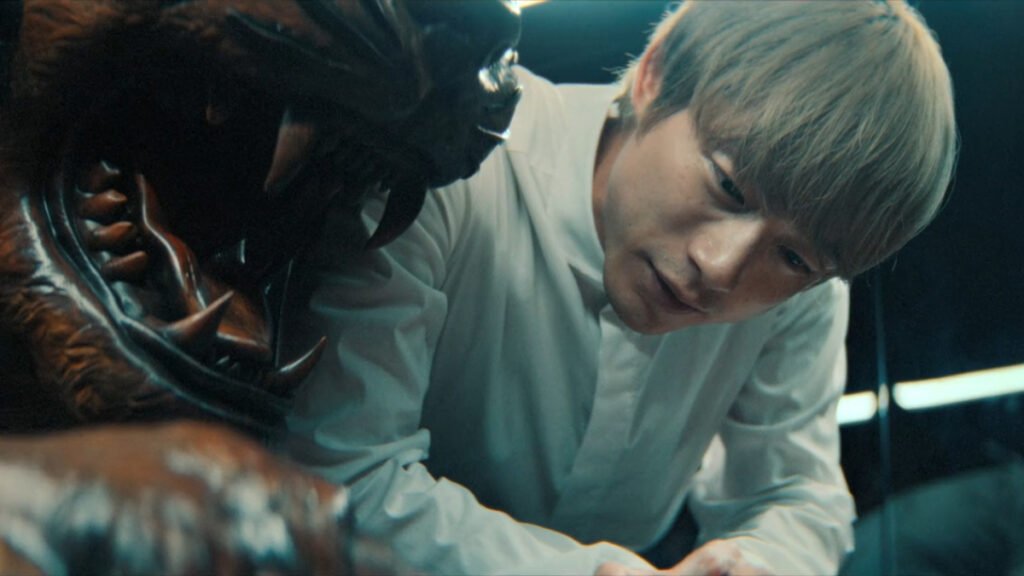
When Inose asked Seok to capture him, Emi even asked if his death could be more entertaining. Unfortunately, Emi was later declared dead during the transportation to the hospital. But this did not conclude the entire investigation process. It was the association that Emi had with the pharmaceutical businessman, Minamoto Shoichi, that added another dimension to the entire process, considering how Minamoto was extremely desperate to hide the facts about the past, and he even went to the extent of telling Hyun-tae to kill his own son. Before his death, Emi also warned the detectives of one very important thing: the real murderer was still alive.
Who Was the Mastermind Behind the Murders?
The culprit who originally committed the murders is Seo Hyun-tae, who used other identities including Ito Makoto and Igor. The detectives at first had trouble figuring out why the same gruesome method of murder had been used in all the murders, especially since the original killings occurred way back in 1987. Nevertheless, the detectives eventually found out about Hyun-tae’s affiliation with an organisation called the Gráfica, which was a secret society related to the now-defunct Agency for National Security Planning (ANSP) of South Korea. They recruited illegal aliens and tortured them. When one of their subjects passed away, they disfigured his body in order to hide what they had done.
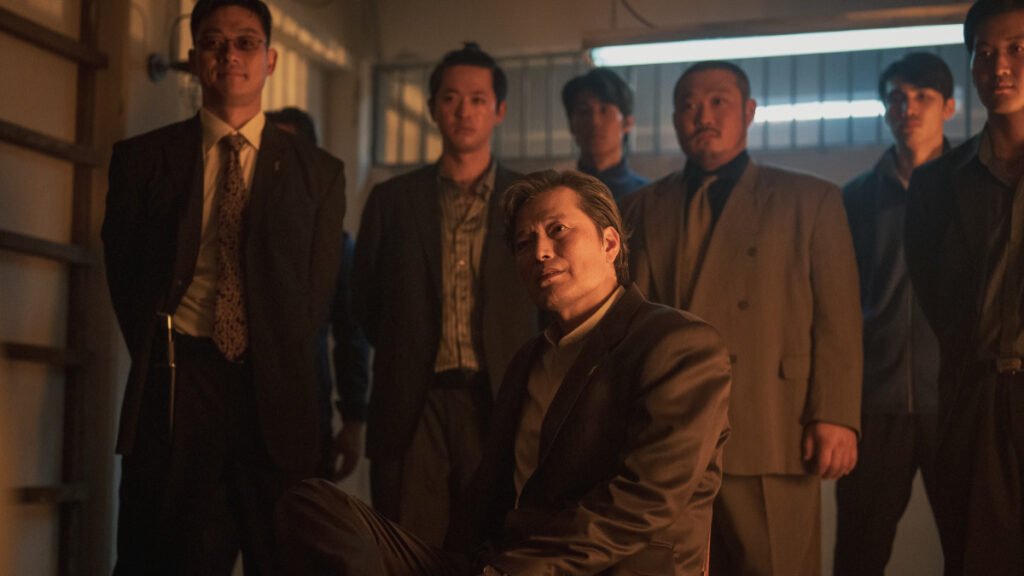
Hyun-tae was personally responsible for these acts and had the unique practice of twisting the limbs of the victims, serving as a means of covering up the crimes committed by the organisation. An investigation would have revealed that what seemed like the handiwork of a notorious serial killer turned out to be associated with an organisation operating under the government’s nose for years. Hyun-tae taught Emi the horrific act in later years.
Did Kim Seok Discover the Truth About His Uncle Hong Du-yeong?
Yes, Kim Seok eventually uncovered the harsh truth behind the identity of Hong Du-yeong, the uncle he had always thought to be, and he respected him as a fatherly figure. All throughout Seok’s life, Du-yeong was the one who had taken care of their family following the disappearance of his father.
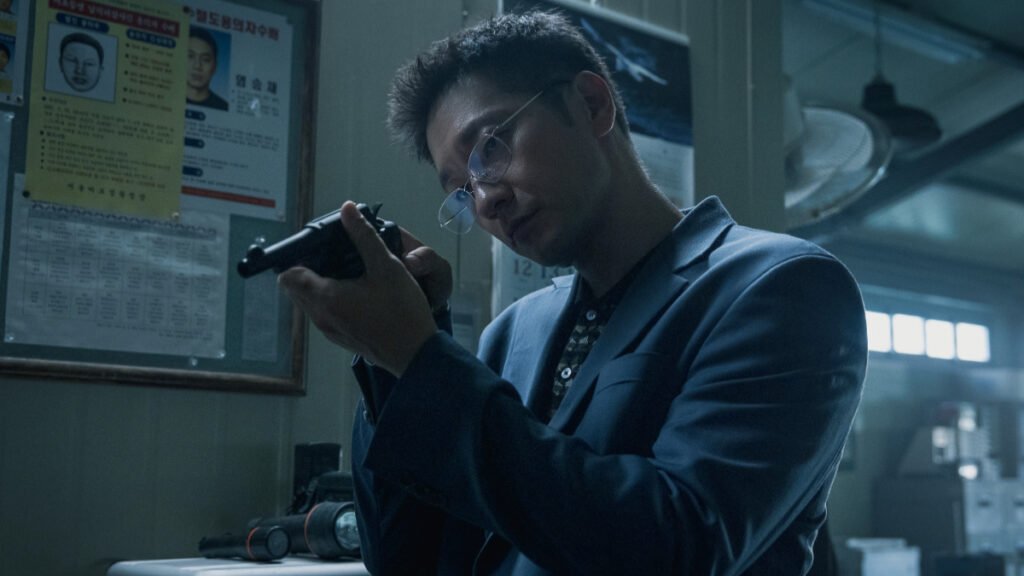
Nevertheless, at the end of The Blue Road, during the last confrontation, Hyun-tae disclosed to him that Du-yeong was one of those who had been working on the torture process in the Gráfica. He was one of those who were part of the acts that contributed to the death of Seok’s father and the disposal of his remains. The shocking truth was further worsened when Hyun-tae told him that Du-yeong had taken a picture of his mother from his father’s wallet. Du-yeong later came close to her and took the place of the father he helped murder.
To put it differently, Seok had been growing up respecting and trusting someone who had been responsible for breaking his family apart. The betrayal was not only because Du-yeong had kept his part in those murders from him. Du-yeong had intentionally joined the family after having killed Seok’s father, allowing the boy to grow up being certain that he was someone who deserved respect and affection. In addition, the series proves that Hyun-tae killed Du-yeong in the end. Even though Du-yeong started realising the tragic outcomes of their previous crimes and wanted to break away from it all, Hyun-tae did not want to accept it.
Did Inose Really Die?
Inose did not die in reality. This is evident at the beginning of The Blue Road episode 8 when the death of Inose is shown with several officials from Japan and Kim Seok also present. It turns out that Seok himself goes to visit Inose’s ex-wife and gives her a note and bracelet, which Inose has made. Thus, one might think that the Japanese detective was indeed killed and Seok has to do the work all by himself now. However, this funeral was only a pretence, and its purpose was to deceive Seo Hyun-tae into believing that Inose was no longer an obstacle.
Inose finally turns up at Dandelion Village and saves Seok when he becomes a victim of an attack, after which he informs his superiors and tells them that it is time to make Ito, another identity used by Hyun-tae, pay for his crimes. Inose survives, and he participates in the final showdown along with Seok.
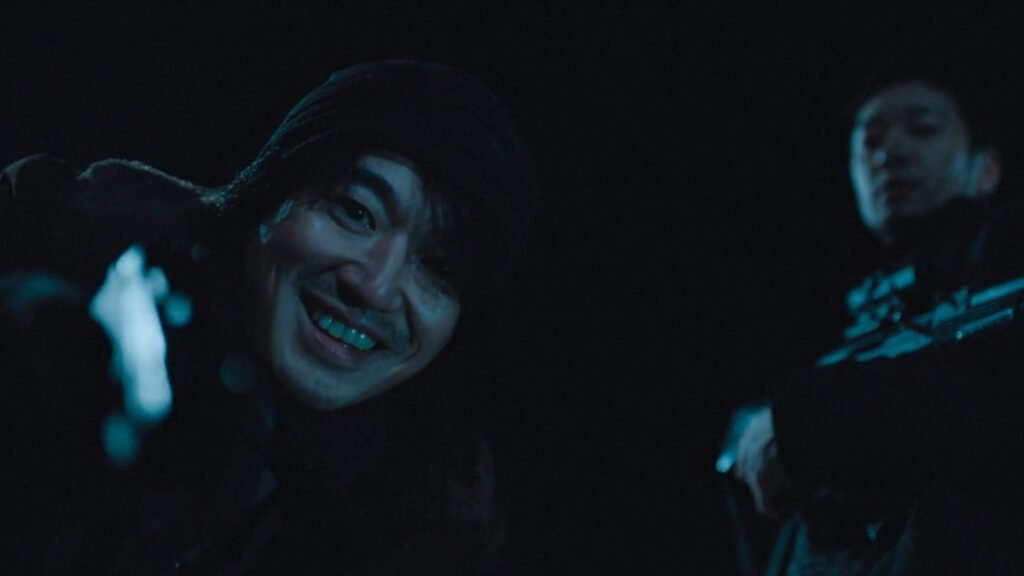
Were Kim Seok and Inose Able to Catch the Killer? What Happened During Their Final Confrontation?
In the ending of The Blue Road, Kim Seok and Inose manage to trace Seo Hyun-tae to Dandelion Village, where he is staying along with children. But the task for Seok and Inose takes a very difficult turn when Hyun-tae reveals the real story about the murder of Hong Du-yeong and Seok’s father. As if it were not difficult enough to come across many truths about his past life, Seok goes berserk and challenges Hyun-tae. They end up firing shots at each other, getting both of them injured.
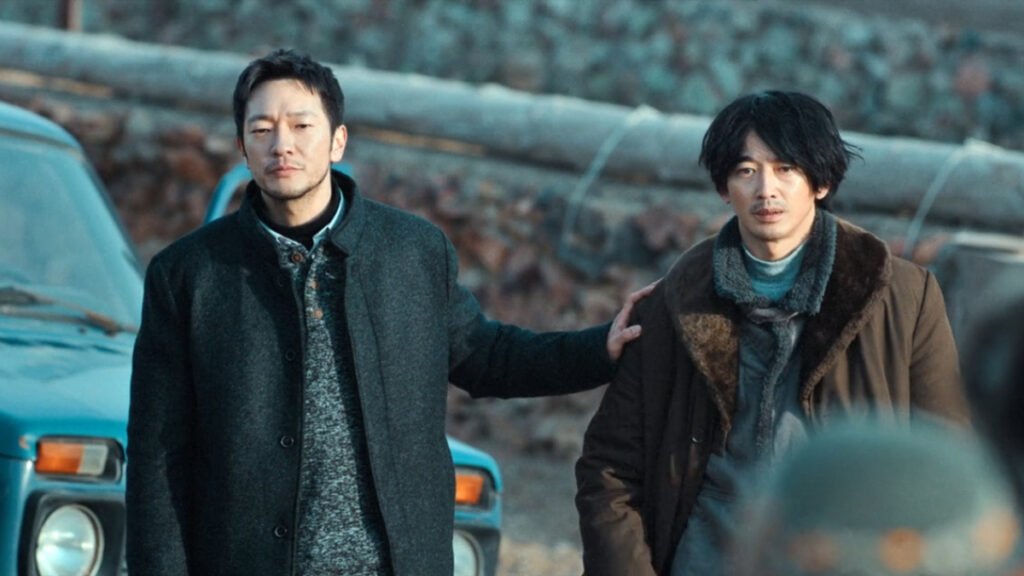
Seok pursues the injured Hyun-tae to a cliff, where he continues to provoke Seok, telling him that he will never be able to shoot him. Inose catches up with his partner and tells him that they are policemen, whose duty is to capture criminals, not to execute them out of vengeance. For a brief moment, Seok seems to listen and put down his gun, but Hyun-tae seizes the chance and shoots Seok in the abdomen. Inose promptly shoots Hyun-tae, who falls off the cliff to his death.
Though the detectives manage to stop the person responsible for all the deaths, they are unable to take him into custody and put him on trial. The injuries that Seok receives prove to be fatal, and he dies in Inose’s arms. Before dying, he expresses his gratitude to Inose for helping him to restore justice and finish his investigation. It would appear that, after all the things that he has been through, he was able to prioritise his duty as a policeman over his desire for revenge. At the end of The Blue Road kdrama, Inose survives, but the price of victory is high.
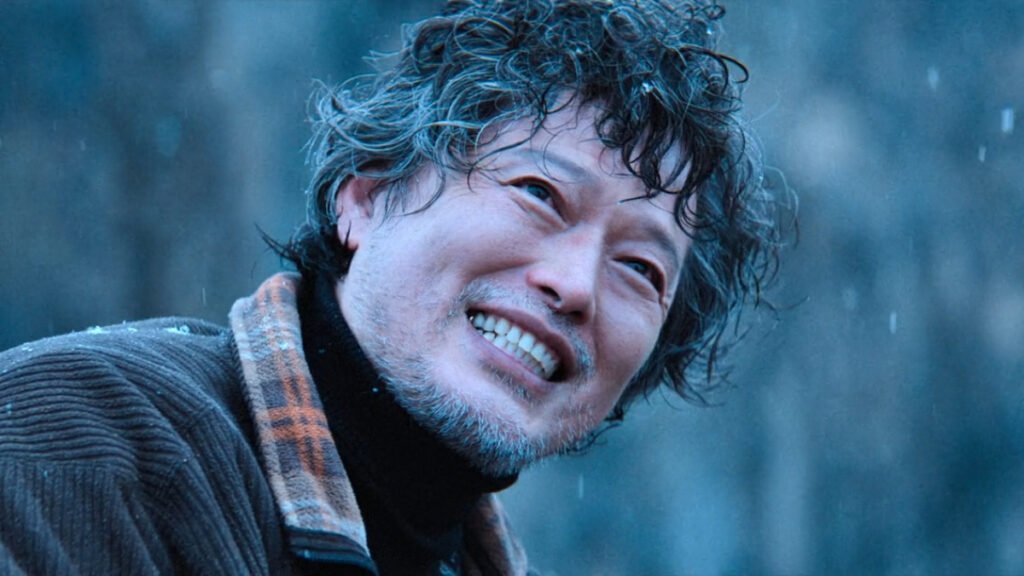
What Does The Blue Road Signify?
The meaning of The Blue Road is historically and emotionally significant as it goes beyond the murder investigation. On his trip to Dandelion Village, Kim Seok encounters Anastasia and learns the background story for the name. It is symbolic of the tears of Koreans who were forced to migrate from their country and experience an unpleasant journey. The ancestors of Koreans who belonged to the country of Joseon were forced to leave their native land.
This meaning is also linked to the overall narrative that focuses on the way in which the aftermath of past violence continues to impact individuals long after the initial occurrences have taken place. Throughout his life, Seok is actively seeking answers regarding his father’s disappearance, only to find out that the one individual whom he can trust the most was responsible for the tragic occurrence.
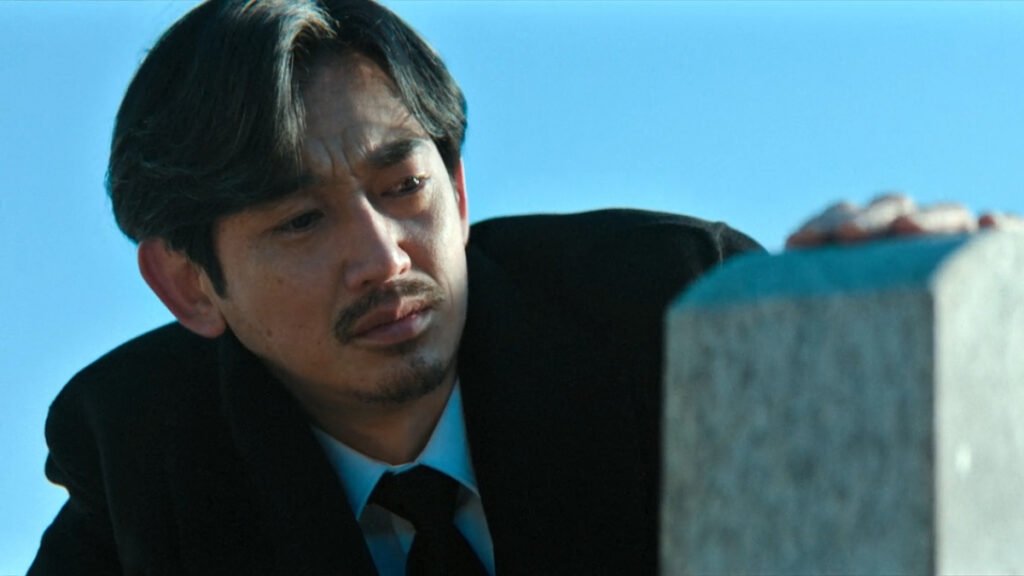
Although his death ends the investigation, it does not erase the pain and memories left behind. It is especially evident when considering the epilogue of 2026, when Inose visits the grave of Seok together with Anastasia. He tells her that just because something is over does not mean that it should be forgotten. In other words, The Blue Road is a painful journey of displacement, betrayal and loss.
Also Read: On Behalf Of My Son Review: Heartbreaking Story of Grief, Guilt and a Mother’s Unconditional Love
