

Miguel Ángel Blanco: The 48 Hours that Changed Spain Review

Director: Juanjo López and Jon Sistiaga
Date Created: 2026-07-10 22:38
4
Miguel Ángel Blanco: The 48 Hours that Changed Spain Review: Directed by Juanjo López and Jon Sistiaga, Miguel Ángel Blanco: Las 48 horas que lo cambiaron todo is Netflix’s latest documentary film on one of the most tragic but significant incidents that have occurred in the recent past in Spain. The movie is based on interviews with the family of Miguel, journalists, politicians, police officials, doctors, and people who were there during those 48 crucial hours in July 1997 between his kidnapping and murder.
Miguel Ángel Blanco: The 48 Hours that Changed Spain Review
Knowing nothing about Miguel Ángel Blanco or the political atmosphere surrounding ETA beforehand, by the end of the documentary, it made me realize that much more is revealed here besides just a kidnapping story. Not giving for granted that their target audience is familiar with the political environment of Spain at the time in question, they build up the scene gradually. Most importantly, they make us feel Miguel’s personality before he becomes a figure of history.
Through the interviews with his relatives in Netflix’s Miguel Ángel Blanco: The 48 Hours that Changed Spain, we understand that he was a young economist who played the drums, an active sportsman, loved his family, and dreamed of making his hometown a better place. His politics exist, yet do not make up all of him. This move of the directors completely changes the perception of the entire movie afterwards, since now it is not a politician you are going after, but a person’s son, brother, lover, and co-worker.
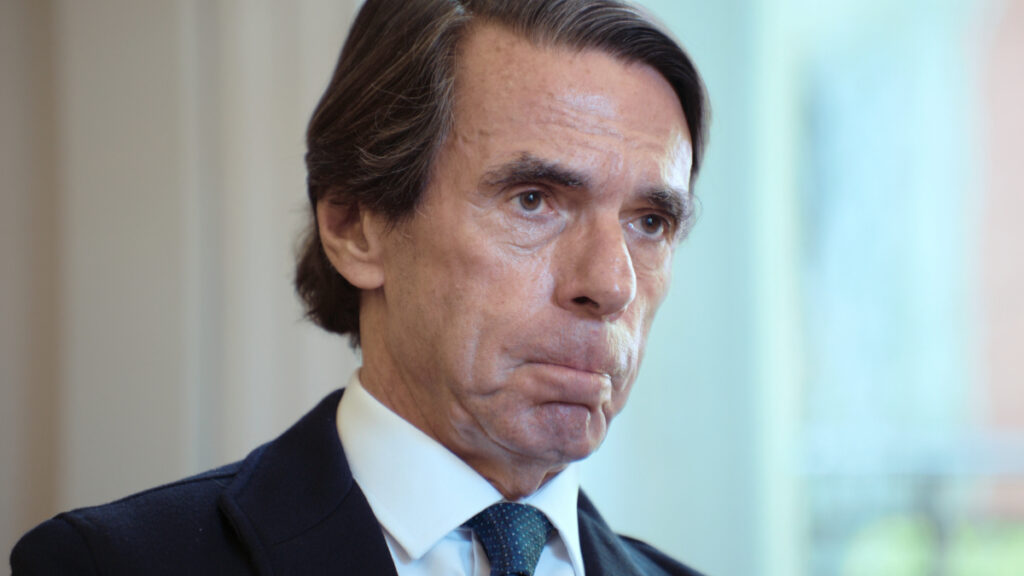
This kidnapping is done in such a way that it seems almost preordained, making it excruciatingly hard to witness. ETA kidnap Miguel right after the Spanish government frees another hostage named José Antonio Ortega Lara. The terrorists make it known to the Spanish government that the imprisoned ETA members have to be transferred to prisons in the Basque territory in 48 hours; otherwise, they will kill Miguel. We know from history what happens next, so there is no element of suspense in whether or not Miguel is going to live.
The one aspect that I truly enjoyed was the way that Miguel Ángel Blanco: The 48 Hours that Changed Spain documentary does not oversimplify the political struggle. They take enough time to educate viewers on both the background of the Basque independence movement and the ETA organisation’s violent history without making the entire documentary come across like an educational history lesson. Even if you’ve never learned anything about the political strife within Spain previously, everything you learn from this film provides context for why these 48 hours were such an important national event.
The interviews are undoubtedly the most compelling aspect of this documentary. There is an abundance of them, almost too many, at times, but listening to different people relive their experiences of those times adds emotional significance that cannot be achieved through any form of scripted narration. Journalists recall covering every second of the story, while Spaniards anxiously awaited news that was to bring them hope. Police Officers describe how hopeless it became to investigate because of ETA’s enormous underground organisation. Politicians express regret over their inability to negotiate with the terrorists, knowing well all the possible implications of doing so. And then come Miguel’s family members, who somehow manage to remain dignified even after nearly thirty years.
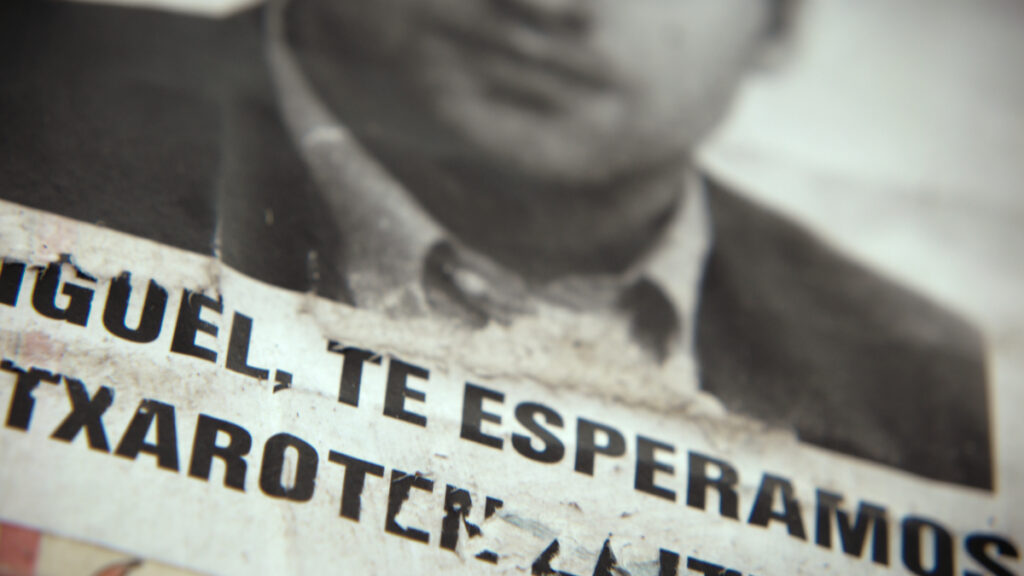
This Netflix documentary film Miguel Ángel Blanco: The 48 Hours that Changed Spain, also features something that I was not anticipating – accounts of people who had covertly attempted to reach out to ETA to prevent the execution of Miguel. This was previously only talked about in whispers, but for the first time ever, people have finally told their side of the story. It does not change the history that has been created, but it does bring a new perspective to light.
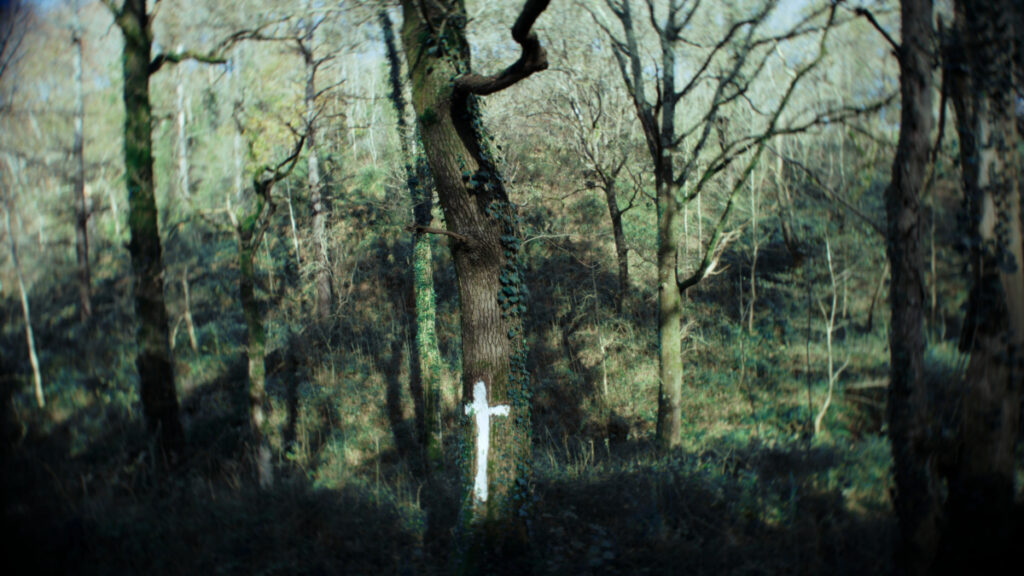
However, the most tragic scene is when Miguel is found at last. There is a moment of hope that is fleeting as the doctors explain how he has been hit by two bullets in the head and cannot be saved anymore. The film does not make this part sensational. On the contrary, the emphasis is put on the emotions of those people who were there, from the people trying to save him to his relatives who were preparing for the worst outcome. There are some scenes which speak louder than any commentary.
What shocked me was not the crime itself but what followed it. What is seen in the documentary film is the reaction that Spain gave by coming together in numbers and uniting against political differences. Millions of people poured into the streets, protesting for no more terrorism. Even those who were at first silent or sympathised with ETA became distant from them. It is very effective when this change can be seen in actual video footage of the events.
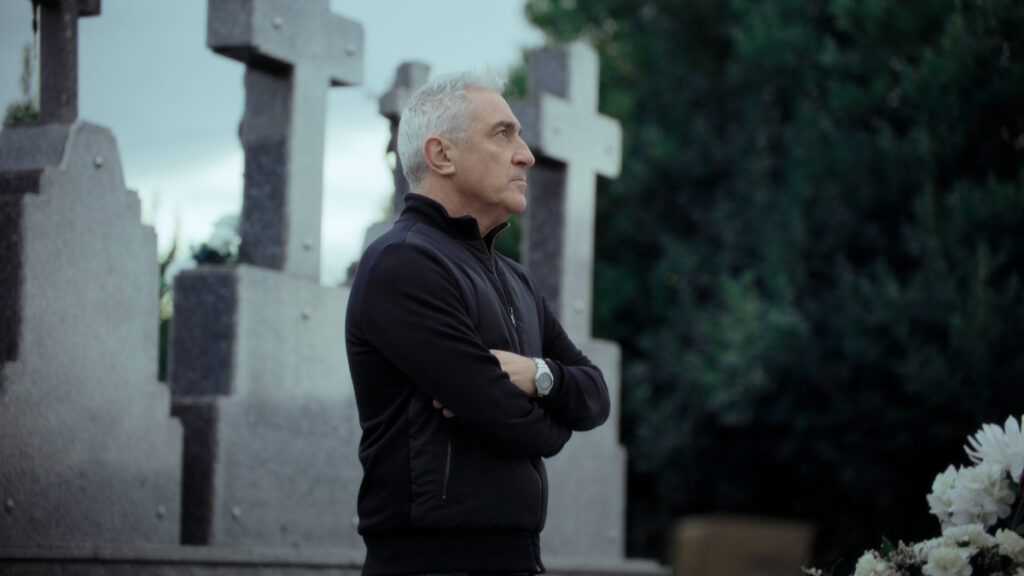
The last part of the Miguel Ángel Blanco: The 48 Hours that Changed Spain documentary film is an account of the journey to justice. Ultimately, the investigation reveals Francisco Javier García Gaztelu and Irantzu Gallastegi to be the two individuals behind the murder of Miguel. Knowing about their conviction is somewhat satisfying; however, the documentary makes the point not to make the verdict sound like a happy ending. Instead, it states that Miguel’s true legacy is in how the event transformed Spanish society by becoming one of the reasons for the collapse of ETA.
Netflix Miguel Ángel Blanco: The 48 Hours that Changed Spain Review: Summing Up
After watching Miguel Ángel Blanco: The 48 Hours that Changed Spain, I left not just with the knowledge of a piece of historical information but with much more than that. Firstly, I learned that terrorism cannot be judged solely based on statistics or the effects it has on politics; it takes the lives of people. Miguel Blanco wasn’t glorified into a legendary hero, and maybe that’s what made his case so memorable. It could have happened to any person, and this fact is not overlooked throughout the film. It is profound, highly researched, emotionally charged, and respectful without being too sentimental.
