
Cyberpunk: Edgerunners Season 2 Review

Director: Kai Ikarashi
Date Created: 2026-10-20 18:39
4
Cyberpunk: Edgerunners Season 2 Review: Directed by Kai Ikarashi, the season features Momoka Terasawa as Roman Carax, Akari Kitô as Talia Yang, KENN as David Martinez, Kentarô Tone as Weak Kingsley, and Koki Uchiyama as D. Rather than relying entirely on the legacy of David Martinez and others. サイバーパンク エッジランナーズ 2 brings viewers back to Night City through the anime collaboration between Studio Trigger, CD Projekt Red, and Netflix.
Cyberpunk: Edgerunners Season 2 Review
Netflix’s Cyberpunk: Edgerunners Season 2 follows Roman, a young boy who is passionate about traditional filmmaking in a city where braindances have largely replaced the old way of recording experiences. The child is fascinated to learn more about braindances, which makes him venture into the dangerous environment of Maelstrom, where he meets Talia, a rebel girl whose addiction to the cyberware makes her susceptible to the effects of cyberpsychosis.
Roman also meets D, the nomad of netrunners seeking revenge against the killers of his family. King, a feared edgerunner suffering from the aftereffects of cyberpsychosis, gets involved in the life of Talia because of the complications in his relationship with her mother, Avida. All these lives become intertwined as a result of a chip that has a program known as Capri.
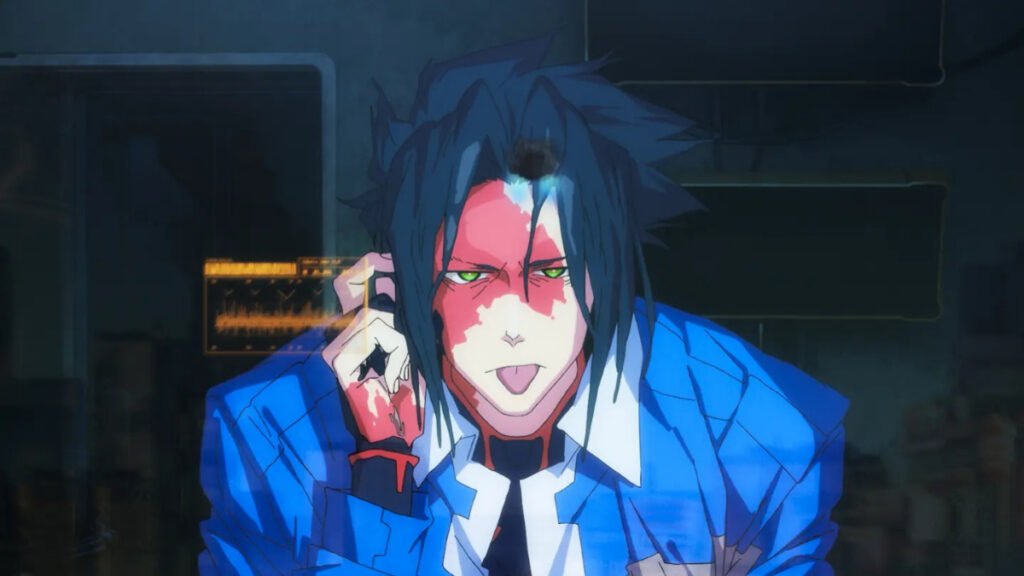
The aspect that I admire in the anime series Cyberpunk: Edgerunners Season 2 is that it is not just trying to replicate the story of David and Lucy but with new faces. This was the easiest option for making a second season, but this one has something unique in its understanding of what it is to survive in Night City. These people do not have the same dream, and their problems do not boil down to getting more money or being better equipped with cyberware. Some people want to leave the past behind them, while others want to prove themselves, and there are those who want to take control of their lives back.
One of the most interesting characters in this show is King, who represents the negative impacts of cyberpsychosis on someone who has already experienced this terrible disorder. After the collapse of the hero, King wakes up to the realisation that his costly cyberware was replaced by a cheaper one and his therapy has left him bankrupt. Moreover, his behaviour led to the death of Emily, and now he can not ignore the rage of Miguel, who does not want anything to be alright anymore. The guilt of King is not a fleeting topic of the series; it affects the character’s relationship with Talia, whom he recognises as being affected by the same disorder.
I admired how King’s attempt to save Talia seems to be an emotional effort and not a heroic one. He knows where she can end up because he has been there before, but that does not automatically mean that he is ready to help her out of that state. Talia is rebellious, defiant, and refuses to let others make decisions about what to do with her body. Though her father, Kiril, disregards what her mother says, his connection with Kang Tao proves a darker nature of the family’s situation. Talia’s predicament only worsens when we find out that her modifications have something to do with her father’s affairs. She tries to empower herself but finds herself being exploited all around.
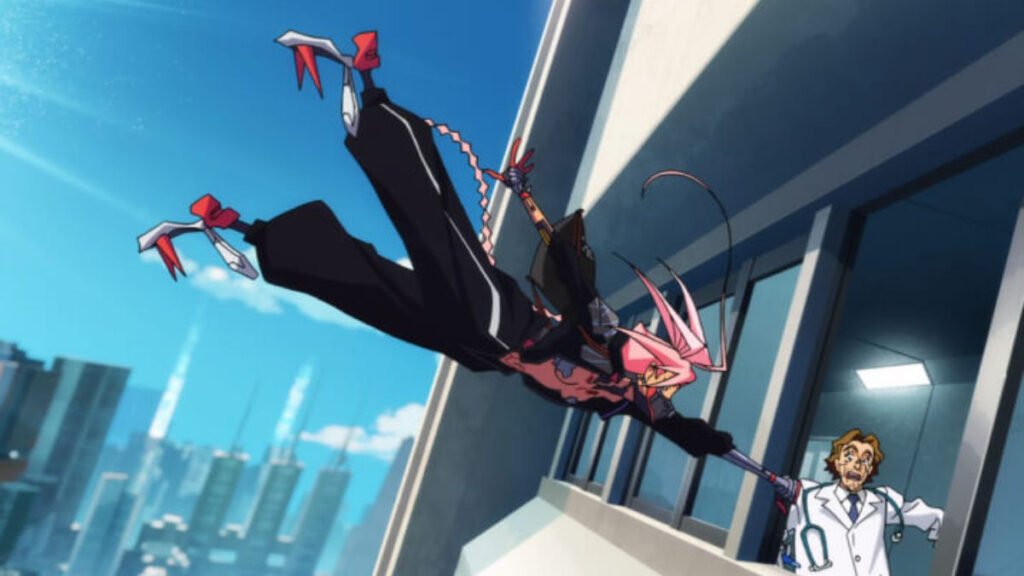
Roman stands out as someone who is completely opposite to these people. While all others seem busy fighting and seeking revenge or power, Roman wishes to capture memories using his camera. What is really amazing about his love for traditional film shooting is the fact that he lives in the world of braindances, where people can get the feelings of another person instead of seeing the filmed material. His love for shooting makes him feel somehow different from other protagonists of Night City, as well as makes him face some situations that he does not fully understand. I was happy with the development of his relationship with Talia due to the same interest in filming.
However, D is another character who is harder to identify with. The death of his Snake Nation clan makes his journey an emotional one. However, it is understandable why D is angry about what happened and feels revenge towards the ones responsible for it. Knowing why someone wants to take revenge does not mean believing all of his actions. D’s obsession with his target turns into something that makes him pursue it no matter what the consequences are. It only becomes more complicated after Capri’s introduction. The ability to access power that makes him numb to his emotions turns into one of the most disturbing things in the season.
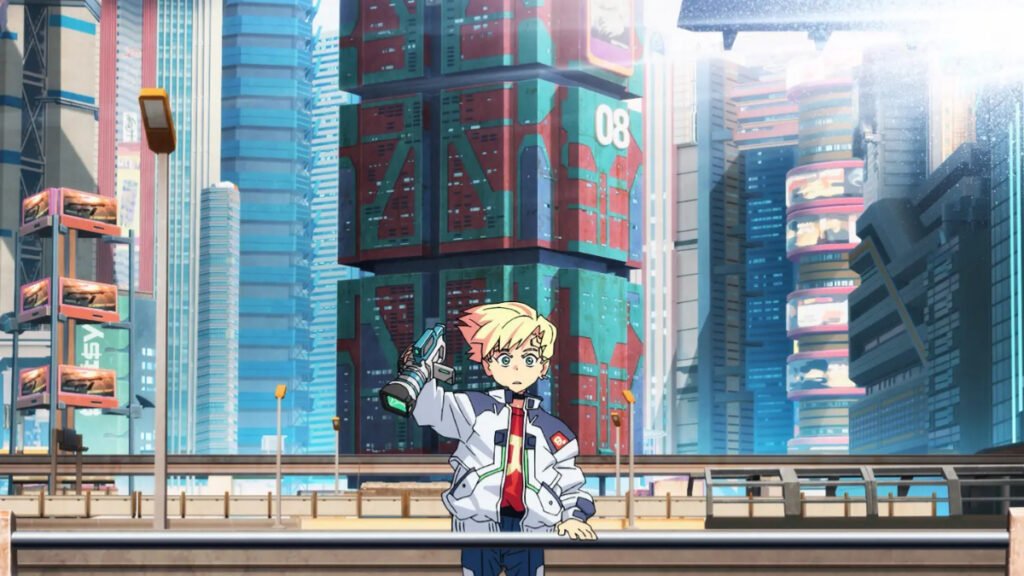
The problem that I have with the anime Cyberpunk: Edgerunners 2 is that there are many characters and subplots happening simultaneously that need attention. There is King, who tries to meet Talia; Roman with his passion for movies; D and her vendetta against the protagonist; and the enigma that is Kang Tao: all these elements are interesting separately, but together can become too much. Some moments would require more time than is given, especially regarding the interactions that should unite all those different lives in the end. I would like to see more moments where the audience can figure out what exactly the characters are feeling before moving to the next action-packed event.
Luckily, however, the visual effects and action sequences are still strong in Netflix series Cyberpunk: Edgerunners 2. The world of Night City keeps feeling like one where the progress of technology has had no effect on making humans any less expendable. Violence is extreme, cyborg powers are visually stunning, and the influence of Capri adds a sinister edge to all of that. But the action works when it tells you something about the characters rather than giving them one more chance to destroy everything around them. Underneath the chrome and corporate scheming, this season cares about grief, guilt, family, and what other future one can choose after going through hell.
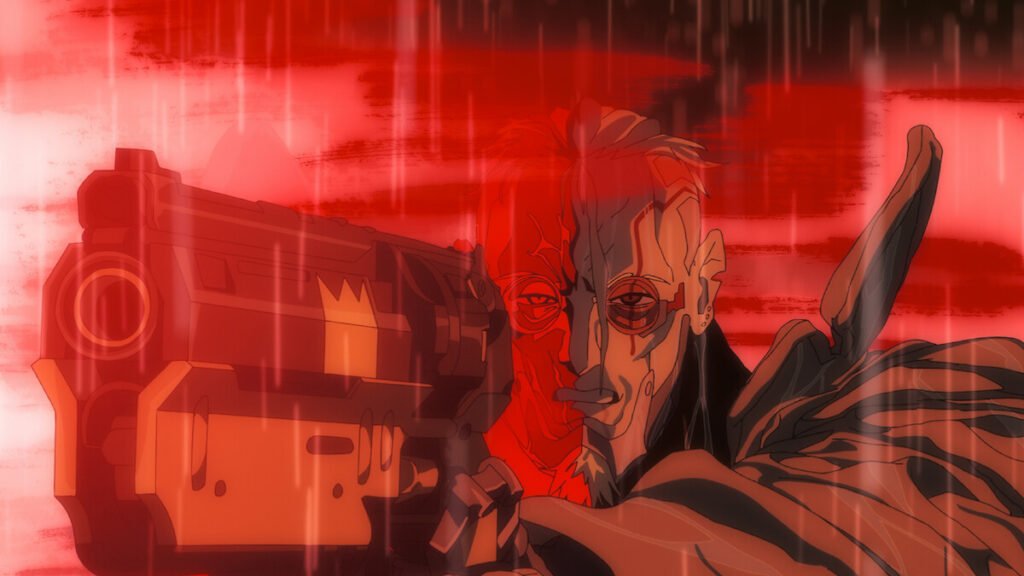
Netflix Cyberpunk: Edgerunners 2 Review: Summing Up
Overall, Season 2 of Cyberpunk: Edgerunners is an excellent addition to the franchise, even though it doesn’t always manage to hit the same emotional mark as the original plot did. I found it interesting for its new characters, for its exploration of cyberpsychosis, and for the shift in focus from giving up everything in order to chase one’s dream to finding something worth continuing to live for. While the busy plot and poorly developed characters prevent it from being perfect, it has much to offer, and it certainly makes the journey worthwhile. I would have loved to spend more time with Roman, Talia, D, and King, whose stories should definitely get more exploration.
