

Breathless Season 2 Review

Director: David Pinillos, Marta Font, and Abril Zamora
Date Created: 2025-10-31 19:16
2.5
Breathless Season 2 Review: Netflix’s Spanish medical drama Respira is back with eight episodes full of chaos, heartbreak, and hospital politics. Directed by David Pinillos, Marta Font, and Abril Zamora, the series stars Najwa Nimri, Aitana Sánchez-Gijón, Blanca Suárez, Manu Ríos, and Borja Luna, adding some fresh faces in Pablo Alborán and Rachel Lascar, doing little to save the show from reproducing similar themes.
This series once again takes place in busy Joaquin Sorolla Hospital, where doctors struggle for life and survive emotional and moral crises. Some very weighty subjects are tackled in Season 2, from the privatisation of the hospital to personal relationships the balance is not really working out that well between political commentary and personal drama.
Breathless Season 2 Review
In Netflix’s Breathless Season 2, the hospital faces a new and complicated problem, which is privatisation. The President, Patricia Segura, played by Najwa Nimri, is struggling with cancer as she tries to keep the hospital free of the lurking corporate interests salivating to take it over. Her re-election campaign runs hand-in-hand with her illness, and the mix of a character in personal struggle with the weight of public responsibility should have made her one of the strongest arcs in the series. Unfortunately, her arc is rushed, and her emotional moments are not given time to sink in.
On the other side is Sophie, an enigmatic doctor with experimental cancer research forming the pivot of conflict. Her character could have some real depth, but it disappears before her story can really impact. All the same, tension between Sophie and Nestor is an encouraging development, fraught with rivalry as it keeps the middle episodes interesting. By using these story arcs, the show tries to answer questions of medical ethics and ambition and power, but more often than not, it moves at such a pace that the emotional resonance of such storylines is lost.

One of the most relevant character arcs throughout Spanish medical drama Breathless Season 2 belongs to Jesica, a young doctor who is still recovering from trauma. As her relationship with Lluis, who got her through the medical crisis-develops throughout the second season, it gets more and more complicated. Even though their love at the beginning of the series was strong, soon Jesica finds herself feeling distant and overshadowed by Lluis’s position and responsibilities.
When Jesica becomes the chief of surgery, confidence returns, but at the same time, she starts questioning her place in the hospital and her relationship. It was this inner struggle between professionalism and personal emotions that brought in some really striking moments to the show.
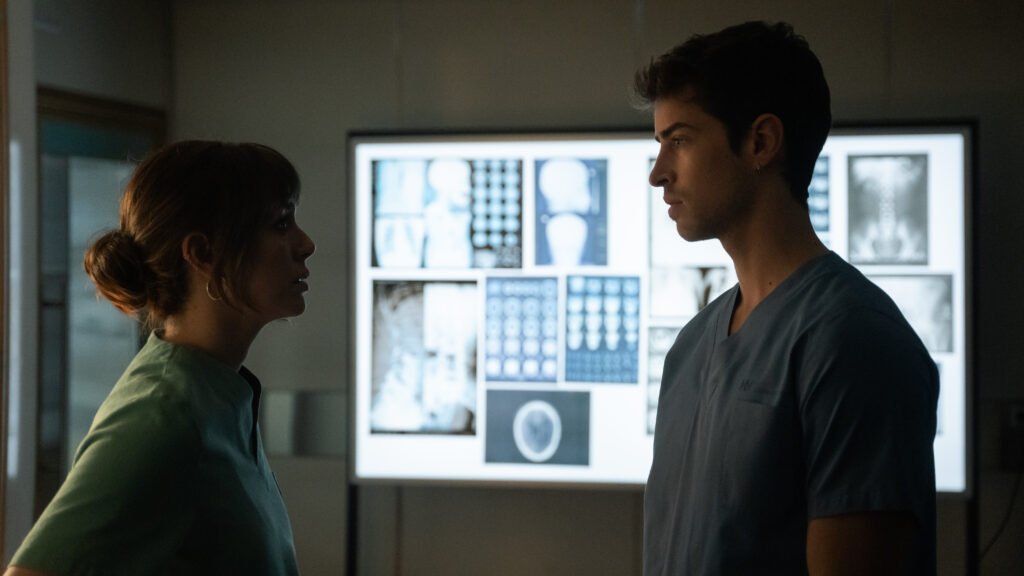
The return of Biel, her old flame, kick-starts the very same love triangle from Season 1. The family drama and emotional tension set in with the scenes of Biel, especially whenever his father, Nicolas, is involved. First, the attempt of Nicolas’ at reconnect after years of absence was touching; then the storyline took a dark turn with his mysterious car accident near the finale. While the guilt and grief add some sincerity to the emotions of Biel, the pace of the emotions is inconsistent. We never get the time to actually process this bond between father and son before tragedy strikes.
Also Read: Amsterdam Empire Review: Glamour, Greed and Dramatic Revenge That Feels Surprisingly Hollow
Season 2 of Respira tries to cram in everything from hospital politics and elections to addiction recovery, parenthood, love triangles, and medical heroics all into one and, by the end, does few of those things well. Rocio’s arc of addiction and self-control could have been so strong, and yet it’s barely explored. The same goes for Pilar, in whose personal life and professional struggle more clarity was due.
Then there’s the overarching, running theme of parent-child relationships between the various storylines: Biel and Nicolas, Patricia and her illness, and Pilar and her son Oscar. That’s a different, interesting angle for a medical show to take-but that message gets lost in the chaos. The series cuts between surgeries and personal fights so fast, you can barely register the emotion before it’s on to the next crisis.
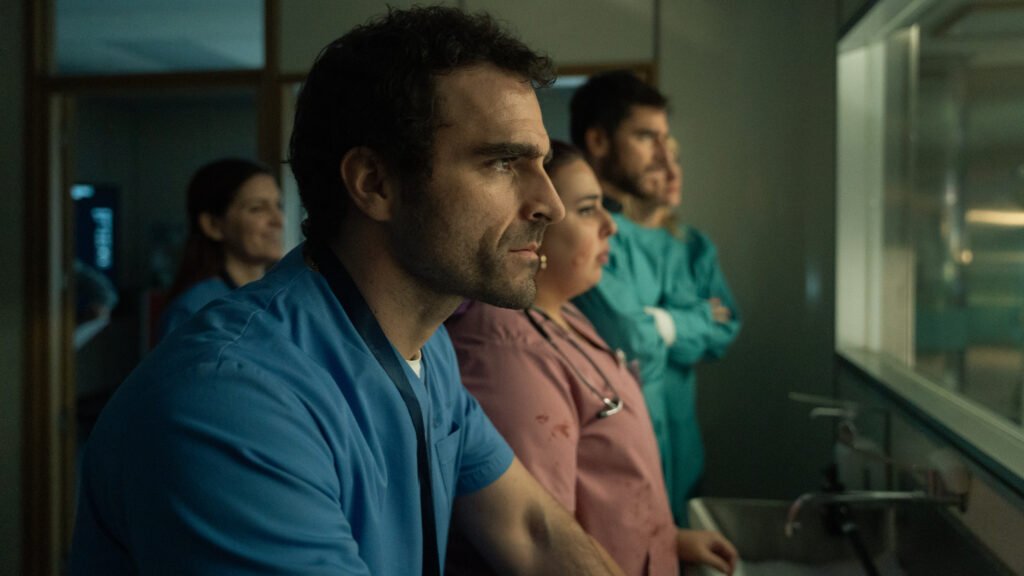
This season, which I went into having enjoyed the first, struck me as visually stylish but emotionally distant; sometimes, the fast-pacing thrills, but it doesn’t allow for growth in the characters or time to breathe.
If there is one reason to keep watching Season 2 of Netflix’s Breathless, it is the performances. Once again, Najwa Nimri leads in bringing gravitas into the chaos with her robust yet vulnerable leadership, while Manu Ríos gives a quietly intense performance as Biel that is deeper than before. Meanwhile, Blanca Suárez makes Jesica’s emotional rollercoaster believable even when the script seems confused about where it is going. A large supporting cast, including new ones like Rachel Lascar as Sophie, tries to elevate the scenes with all the real energy they can, but writing often leaves them hanging with storylines that seem to go nowhere.
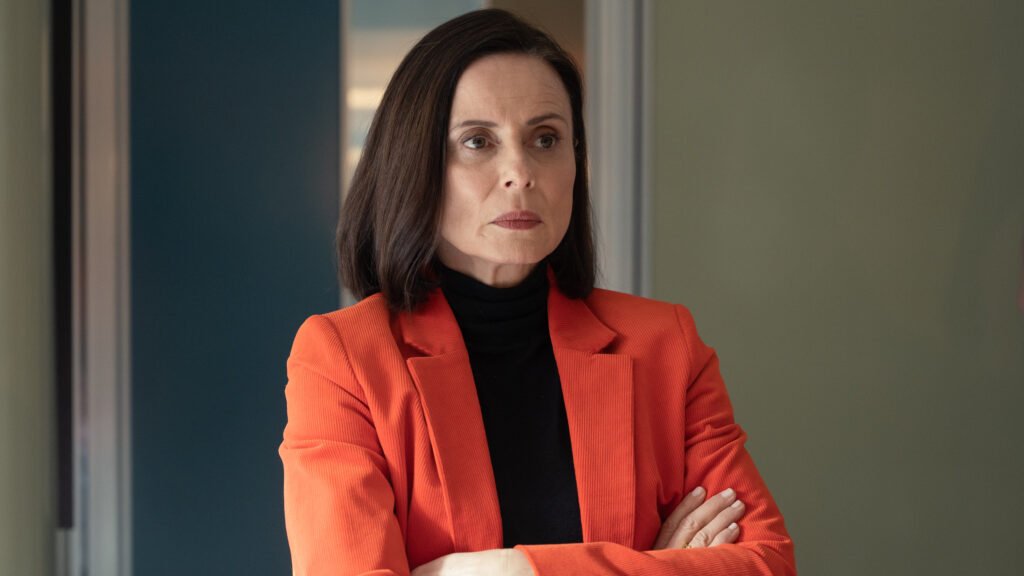
Without revealing spoilers, the ending of Season 2 is less about closure and more about confusion. It builds frustration instead of curiosity in a general attempt to create suspense for another season. Some character arcs just sort of. Stop. Storylines regarding Patricia’s illness and Sophie’s disappearance are left hanging. I felt emotionally detached by the finale, which wasn’t due to the cliffhanger but because I wasn’t quite invested enough to care what happened next.
Summing Up
I wanted to like this season more than I did. It’s not terrible; it’s just overcrowded, over-dramatic, and emotionally shallow. It still has that Spanish thriller energy and a certain charm in the ensemble cast, but that focus, which made the first season fun to watch, has been lost. Visually, it’s slick with its busy and alive hospital environment, but on a storytelling level, it flatlines a little too often. That time could have been used to develop closer relationships among those on screen by avoiding unnecessary subplots.
Also Read: Aileen: Queen of the Serial Killers Review: Chilling Look at a Woman the World Misunderstood
