

The Chestnut Man Season 2 Ending Explained: Directed by Milad Alami and Roni Ezra, Netflix’s Danish series Kastanjemanden: Tælle til en, tælle til to is led by Danica Curcic as Naia Thulin and Mikkel Boe Følsgaard as Mark Hess, alongside Sofie Gråbøl, Katinka Lærke Petersen, Anders Hove, Anders Nyborg, Özlem Saglanmak, Ester Birch, Bjørk Storm, Ida Cæcilie Rasmussen and others.
This six-part crime thriller slowly unveils various layers of loss, trauma, and generational harm before culminating in surprising twists, shocking discoveries, and tragic deaths. As the inquiry descends into a chilling game linked to previous murder cases, concealed identities, and psychological scars, the series finally reveals the true identity of the murderer and the terrible motivation for his terrifying acts. Here is an in-depth analysis of the ending of The Chestnut Man: Hide and Seek and what really transpired in its last episodes.
The Chestnut Man Season 2 Ending Explained
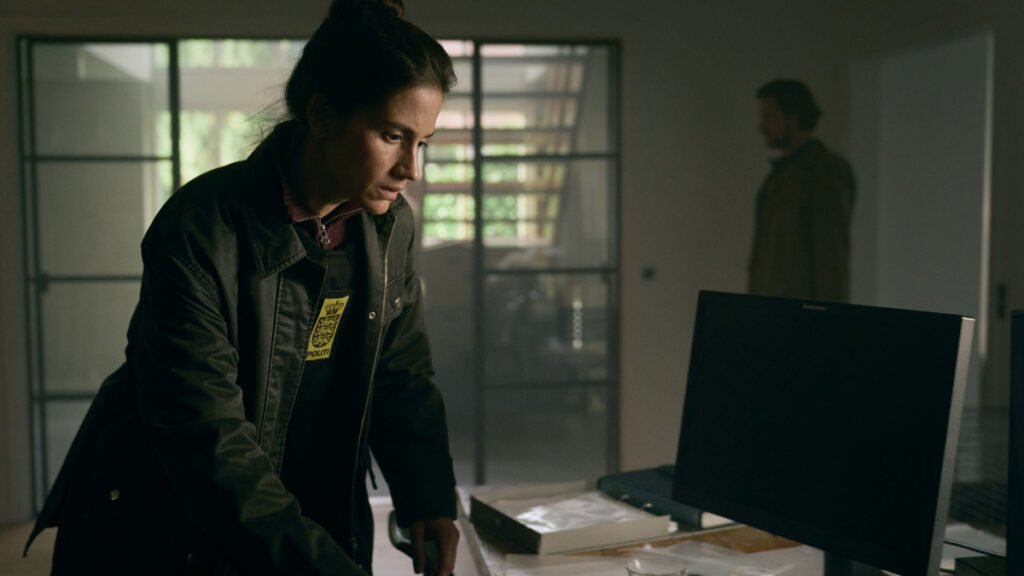
How Did Naia Thulin Die?
The death of Naia Thulin turns out to be one of the saddest and most emotionally charged events of the season because it takes place just as Naia and Mark were making efforts to restore their emotional connection. While examining the cases of stalking related to divorce and extramarital affairs, Naia and the rest of the task force become preoccupied with Peter Hougard, who was the husband of Ditte Kolster before separating from her.
Peter is emotionally unstable, angry, and obsessed with regaining custody of his kids after being left by his former wife. The situation becomes utterly hopeless when he enters the Agency for Family Law with a rifle after finding out that he would lose a court case against Ditte.
Naia comes to the agency and tries negotiating with Peter in order to prevent the situation from escalating any further. But Peter is so driven by his rage and paranoid behaviour that Naia cannot convince him of anything. During the negotiation, Peter unexpectedly opens fire on Naia, but despite her critical condition, she continues to chase Peter to save Ditte. It becomes clear that Naia is a fearless and persistent detective who does not let any obstacles stand in her way. But Naia’s condition is serious enough for her to fall unconscious due to a massive blood loss, which ultimately takes her life.
What Happened to Peter Hougard?
At first glance, it seems that Peter Hougard is the most likely suspect. He is psychologically unstable, abusive, possessive, and extremely obsessed with his wife, Ditte, after they got separated. The authorities found some scary photoshopped pictures on his computer, as well as some threatening messages directed at Ditte for destroying their family. Because several of the victims had something in common, such as affairs, failed marriages, or divorces, Peter Hougard matches the required description almost exactly. His violent behaviour at the Family Law Agency only reinforces this opinion about him.
When he finds out that Ditte will probably have total custody of their kids, Peter goes crazy. He takes his rifle with him and barges into the agency, shooting a few people there and kidnapping Ditte. They are chased down by the cops, who find them at a rural pub where they had pleasant experiences before. However, when the police reach the spot, they find that Peter and Ditte are dead. It seems that Peter killed Ditte using an axe and then committed suicide.
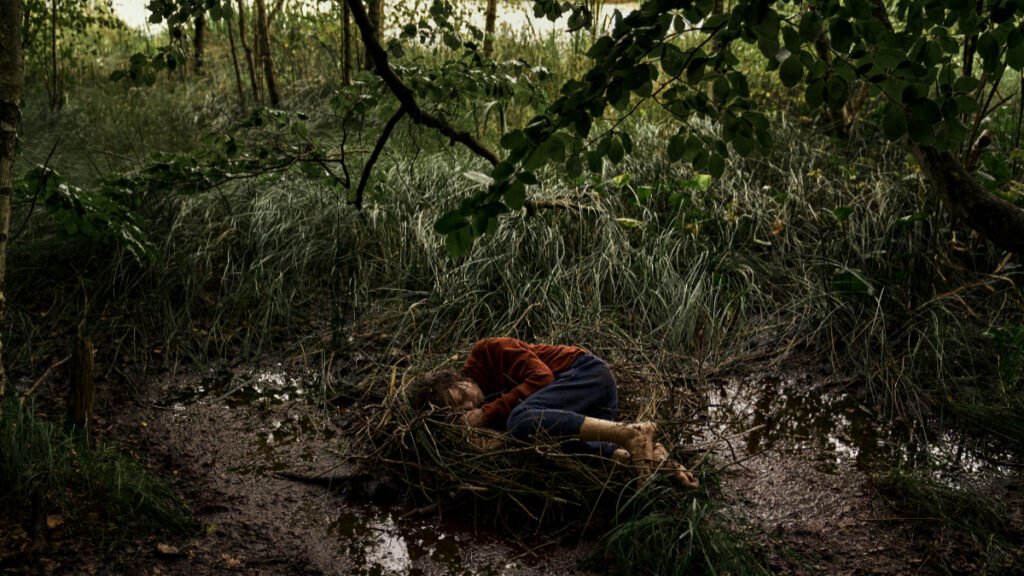
Nevertheless, Mark soon starts to question the official account of the facts. There are things about the crime scene which do not seem right to Mark. It seems that the timeline does not quite fit together; there are signs of foul play around the entrance, and the surveillance video suggests that somebody else was there that night. Finally, Mark comes to realise that Peter himself was just another casualty. The actual murderer has managed to use Peter’s disturbed mind condition against him by making him the perfect fall guy in an elaborate scheme, which led to Peter and Ditte being killed in order to forever bury the case.
Who Was the Real Killer in The Chestnut Man Season 2?
As it turns out, the real murderer is Thea, the individual who had been using the alias Signe and had been posing as Marie’s helpful friend throughout the series. What makes this revelation even more chilling is the fact that Signe had been in a position near those families who were mourning the loss of their loved ones, all the while planning and executing the killings. Signe’s tale starts off with the gruesome 1992 case of Thoger Staal, the serial killer responsible for killing children and leaving one of them in a bird’s nest. Staal was Thea’s father. The crimes had affected her life so negatively that she never really had a childhood.
In adulthood, Thea attempted to lead a regular life with her husband, Roy, and their kids. Nevertheless, all her efforts were ruined when Roy committed adultery. In addition to that, a fatal accident took place, taking away both Roy’s and his children’s lives, which completely destroyed Thea emotionally and psychologically. She failed to cope with her trauma in a constructive manner but instead nurtured hatred for cheating and deceit, with Emma Holst becoming her first target.
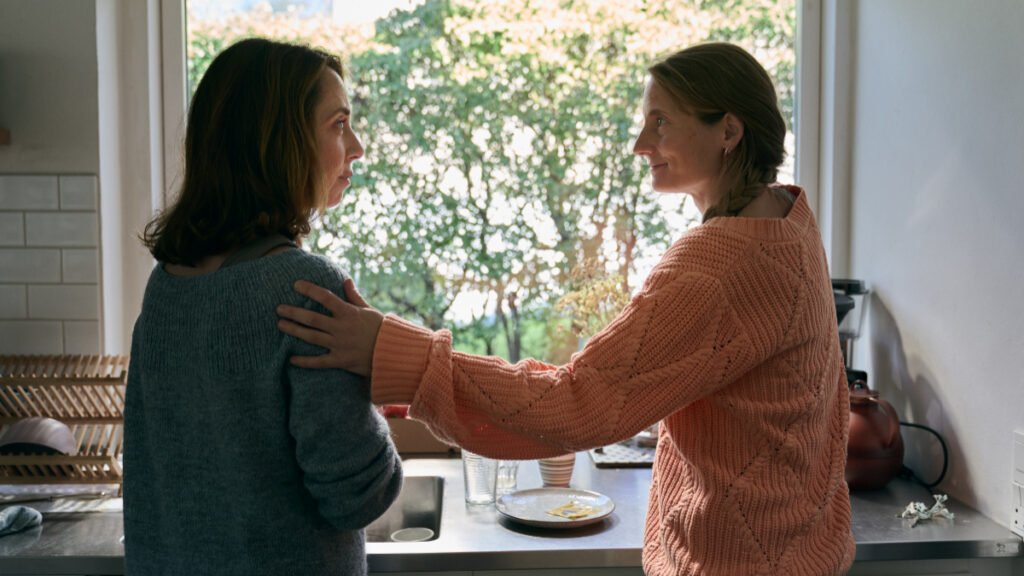
For much of the season, Emma’s murder seems completely unrelated to those of other victims. Ultimately, it is discovered that Emma had been connected to Roy, and it makes Thea think that Emma was the reason why her marriage and family were destroyed. Driven by anger and psychological issues, Thea had killed Emma in the past, but soon enough got hired by the Agency for Family Law, gaining access to couples dealing with separation or adultery. At this point, Thea started picking up victims whom she thought had “ruined” families because of their lies and deceitfulness.
What Happened to Thea AKA Signe at the End of The Chestnut Man Season 2?
By episode 6 of The Chestnut Man Season 2, Thea’s carefully constructed identity as “Signe” completely falls apart after Mark uncovers the story of the killings. Throughout the whole season, Thea succeeds in concealing her true identity and in doing so by pretending to be a caring and reliable friend to Marie. She joins Marie in grief support groups, gives her emotional support, and even assists her in packing Emma’s things away, not realising that she was the cause of Emma’s death.
After Mark links the DNA sample to Thoger Staal and reveals that Thea is not who she says she is, he races to Staal’s abandoned summer home, where Thea has taken Marie. At this point, it is clear just how mentally unstable she is. Unlike before, when she was acting in a manner that made it seem as if she were trying to protect herself from the consequences of her actions, she is now fixated on all the hurt she had endured over the years.

A brutal fight ensues between Mark and Thea. While he is severely wounded during the fight, his injuries are such that he cannot completely incapacitate her, and at this moment, Marie arrives, and she too now realises that the person whom she had believed in was using her from the very beginning, and she had killed Emma. Afraid of losing yet another person to the wrath of Thea, Marie ends her life in order to save herself and Mark. With the death of Thea, the series of murders is brought to an end, but the psychological wounds inflicted are far greater than can be imagined.
Why Did Mark Hess Decide to Stay Back in the End?
At the start of the season, Mark Hess remains emotionally detached and always running away from his responsibilities. He returns to Copenhagen based on the reason of his brother Jon’s illness, but during the investigation, it comes to light that Mark is unable to commit himself to any situation in life. This becomes very clear in his connection with Naia and her daughter, Le. Although Le is completely devoted to him and considers him a fatherly figure, Mark always tries to maintain a distance out of fear of letting her down.
Naia’s death transforms Mark completely. Having lost her, Mark is made aware of how devastating it can be to maintain a sense of being able to escape all along. The crime also reveals the terrible effects that abandonment and emotional neglect can have on an individual, as illustrated by the story of Thea. As a girl, she did not know any peace or consistency because of her father’s crimes that robbed her of a stable upbringing. In the end, her loneliness led to obsession and violence.
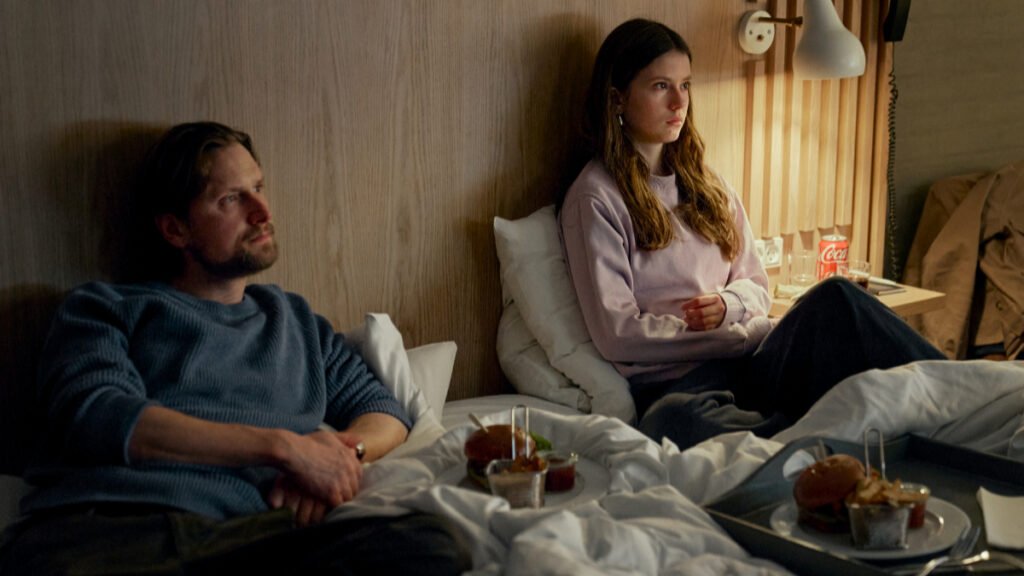
Finally, at the end of The Chestnut Man Season 2, Mark makes an active choice not to run anymore. Rather than leaving once more after cracking the case, Mark makes the decision to stick around in Copenhagen and join Le’s life. This is especially evident in the fact that he takes on the job of raising her, allowing him to be a stable parent for once. The fact that Mark chooses to be here for Le is important because it symbolises emotional growth.
