

The Big Fake Review
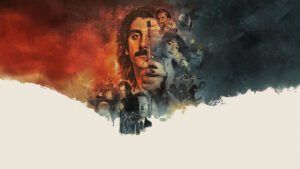
Director: Stefano Lodovichi
Date Created: 2026-01-24 01:55
1.5
The Big Fake Review: Directed by Stefano Lodovichi and written by Sandro Petraglia and Lorenzo Bagnatori, this Netflix crime drama is inspired by the life of Italian con artist Antonio Chichiarelli. The film Il falsario stars Pietro Castellitto as Toni, alongside Giulia Michelini as Donata, Andrea Arcangeli as Vittorio, Pierluigi Gigante as Fabione, and supporting turns from Edoardo Pesce, Claudio Santamaria, Aurora Giovinazzo, Fabrizio Ferracane, and others. With a runtime of nearly one hour and fifty minutes, the film positions itself as a serious biographical crime tale set against the volatile political backdrop of 1970s Rome.
The Big Fake Review
Netflix’s The Big Fake follows Toni, a talented forger who enters the criminal world of a metropolis through his unusual ability to recreate art, documents, and identities at a high level of fidelity. Initially a minor forger of items, he becomes embroiled in a web of serious crime as a result of becoming involved with organised crime organisations, political extremists, and other corrupt groups that depend on power brokers operating from both sides of Italy’s ideological divide.
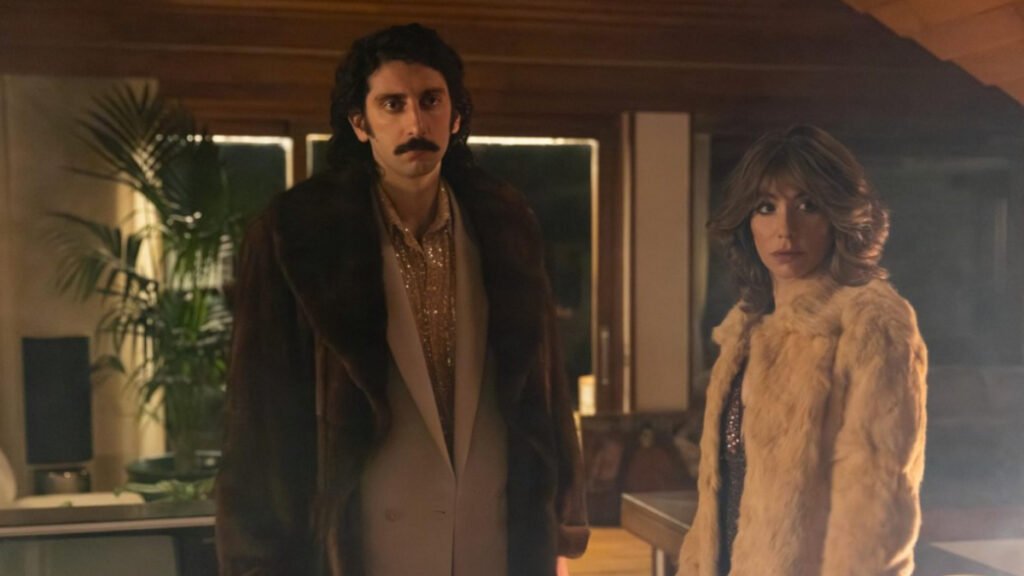
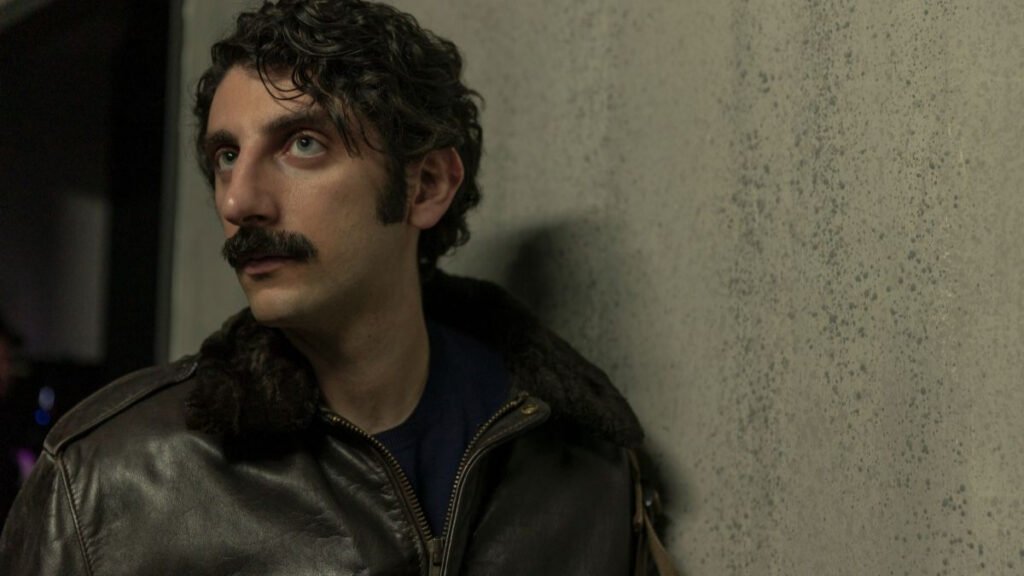
The biggest issue I have with the film The Big Fake is its inability to establish an emotional connection with its main character. Toni has a lot of screen time, yet I feel I did not have adequate insight into his character. Pietro Castellitto does a wonderful job of portraying the character in a way that makes us feel like he might be more complex than the character presented in the screenplay, but the script does not provide adequate opportunity for the viewer to become acquainted with Toni’s inner thoughts and feelings.
We are led to believe that he is brilliant and confused and morally flexible. However, we rarely see evidence of this in action. Toni’s ascension in the criminal world, including his friendships, family relationships, and losses, all seem to occur without much impact. While watching the Italian movie The Big Fake, I could recount the basic outline of Toni’s life, but I had very little idea of who he was as a person.
Also Read: From the Ashes: The Pit Review: Survival Thriller That Digs Deep Into Guilt and Friendship
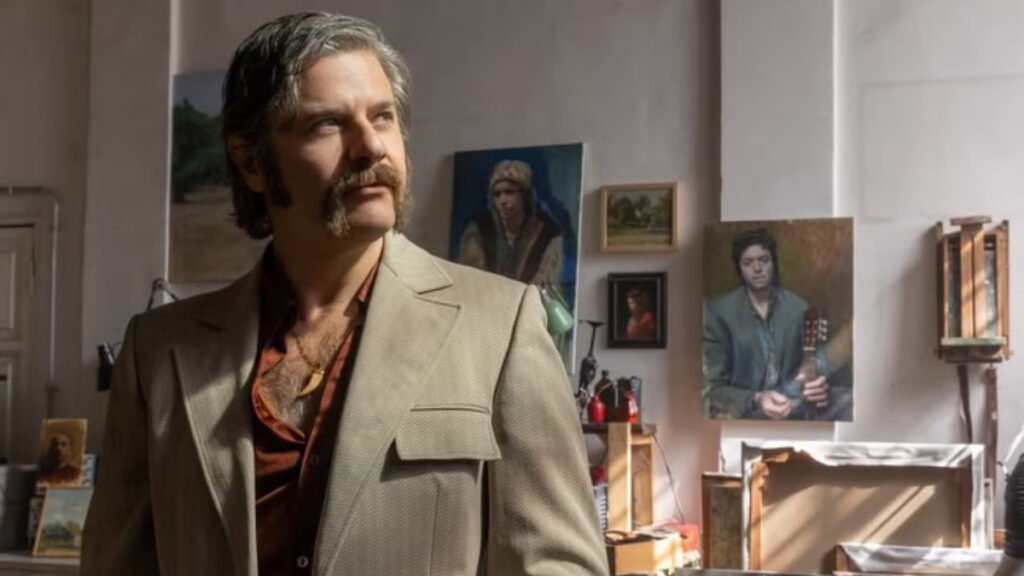
The supporting characters in this film reflect the same lack of depth as the protagonist. Donata, who should have served as an emotional stabiliser and a moral foil to Toni, is very much underdeveloped despite the good faith effort of Giulia Michelini. The relationship that develops between Vittorio and Fabione has been presented as being important because of their necessity to assist Toni in reaching his goal; however, it seems to be less of a friendship and more of a plot device to keep the story moving.
Characters that are associated with high-powered institutions, including religious authorities, extremist political groups, and criminal organisations, come and go with little effect or emotional depth; therefore, we feel that the film is diluting the power of the period it attempts to portray by presenting a world that is devoid of emotion or power.
Visually, Netflix movie The Big Fake seeks to replicate the aesthetics of Rome in the 1970s, and in some instances, the cinematography and production values rise above average. It appears to be a professionally made product, and at times exhibits signs of style; however, it cannot overcome the lack of urgency with which the story is told. The political context for the film, including allusions to radical groups and ideological rifts, is relegated to mere decoration rather than being integral to the storyline.
Pacing is another major problem. For a film about forgery, deception, and high-stakes survival, The Big Fake feels strangely inert, and it is almost completely dead. It is also very abruptly constructed with no real build-up; there are only small parts of the film that create some degree of suspense, with nothing in between them creating a suspenseful buildup. There is nothing that gives me an ongoing sense of being in danger of dying; There is no level of intensity in moving towards climax. There is no level of climax in this film.
The movie has no motivation for viewers to care about Toni. Toni’s rise and fall occur with no buildup of emotion. The same quiet tone runs through the entire rise and fall process of Toni. So one cannot develop a sense of connection to either his success or failure.
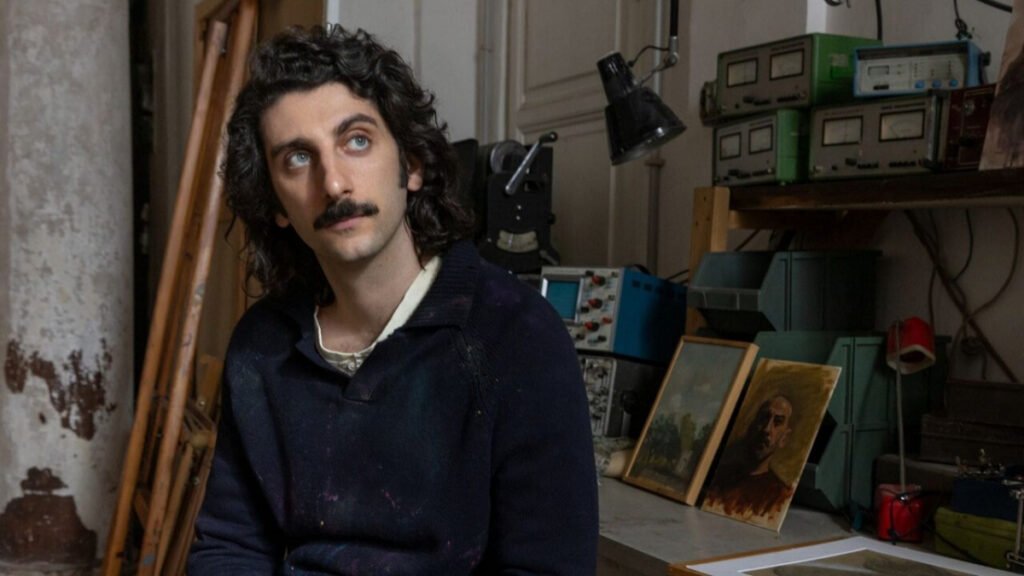
In addition, even after the film’s climax, there is no emotional foundation built throughout the movie, so the movie’s ending has absolutely no real emotional impact on the viewer. The ending of the movie is clearly intended to confront the viewer with the question of who Toni really is and what value he places upon his own self. Instead of feeling an overwhelming sense of sorrow for Toni, or the way we view him as we enter the film’s conclusion, we view Toni as a victim of circumstance. Instead, it was an inevitable beginning and a confusing ending. Instead of getting answers to the most interesting questions raised throughout the movie, I guess the film simply pushed those questions aside.
Netflix The Big Fake Review: Summing Up
In the end, The Big Fake feels like a missed opportunity dressed up as a prestige film. The problem is not that it is bad in its execution. But that is also a complete and utter lack of curiosity. The film has taken a very interesting person from history, in this case, a clown, along with an interesting time period, the 1930s, and turned them into mere plot points or story devices without ever having a real conversation about these real-life people and events.
Also Read: Cheekatilo Review: Relevant Idea That Never Finds Its Grip
