

Instadocs: Jane Doe v. Cornell Review

Director: Steve Yaccino
Date Created: 2026-10-29 21:07
3
Instadocs: Jane Doe v. Cornell Review: Directed by Steve Yaccino, the 35-minute Netflix documentary explores the case of a sexual assault at Cornell University that made headlines internationally in October 2026 and the organisational problems which resulted in making the case famous. Using the accounts of the editors of The Cornell Daily Sun, Sophia Dasser and Cereese Qusba, Thomas Giuffra, the lawyer representing Jane Doe, Amanda Walsh, a sexual assault lawyer, Kathy Hochul, New York Governor, Cornell University students, and other persons associated with the case, the documentary strives to reveal what had happened, how the university reacted to the situation, and why the case is a part of something much bigger than just that.
Instadocs: Jane Doe v. Cornell Review
The facts about this particular case are very disturbing, and the reason why they are so difficult is that this case didn’t start when it ended up making the news. In reality, it all started in October of 2024, when Jane Doe was sexually assaulted in the Chi Phi Fraternity House. Based on the information revealed in Netflix’s Instadocs: Jane Doe v. Cornell documentary, an initially consensual relationship turned into something else, as two men brought in five more frat brothers.
Jane Doe reported this to campus authorities; however, the case did not go any further due to the lack of evidence, as mentioned by the district attorney. As a result of the university’s independent investigation, some of the accused have been sanctioned, but the results of this case did not satisfy Jane Doe, and thus she decided to leave Cornell.
What came next was even more disturbing. In September 2026, Jane Doe sued Cornell University, the fraternity, and seven men who allegedly participated in the gang rape. This led to an article by The Cornell Daily Sun, which revealed even more details about the case. The New York Times later managed to obtain documents related to Title IX, which brought up other issues about the way Cornell conducted its investigation. While watching this documentary, I thought about how many people may have never known about this situation if it wasn’t for Jane Doe suing Cornell and student journalists looking into the case.
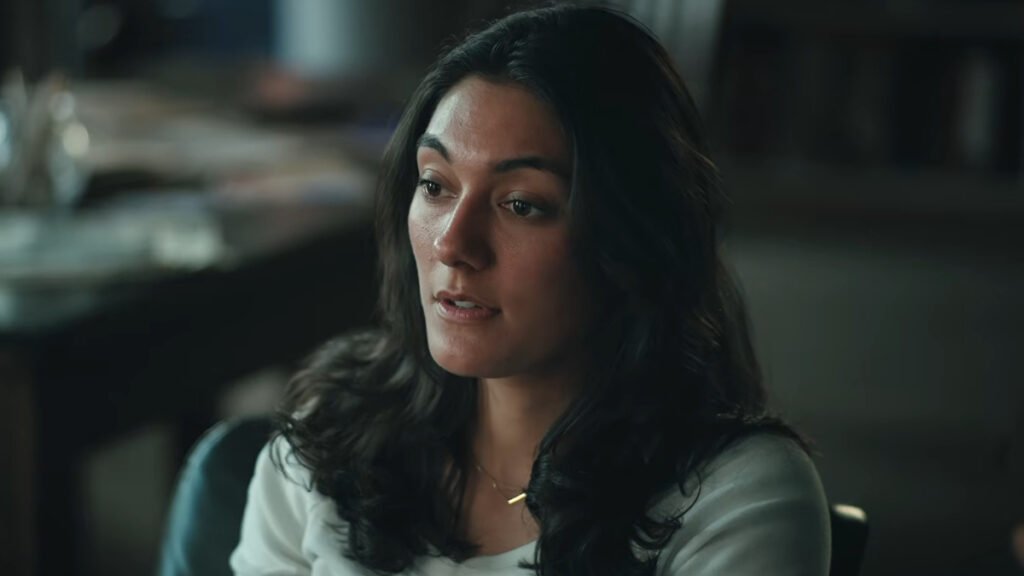
However, as a woman myself, I cannot see this situation just as another news item that would soon become obsolete on social media. My heart goes out to Jane Doe, keeping in mind how many times a survivor has to relive her trauma just to ensure that her story is believed. It is very disturbing to hear about a woman coming forward and asking for help from the same institution that should ensure her safety, and being disappointed in the result of her struggle. The documentary touches upon these issues but sometimes has no time to give them proper attention.
One of the key discussions in the Instadocs: Jane Doe v. Cornell documentary includes the discussion of the differences between criminal charges and Title IX investigations. Both the criminal charges and the Title IX investigation have their own objectives and criteria, but sometimes it is hard to distinguish between them when a case becomes famous.
The documentary explains how the university may conduct its own investigation of the alleged incident without any criminal prosecution. But at the same time, one question arises: what is the accountability in such cases when the disciplinary action seems to be insufficient for the survivors of the incidents? This problem becomes very evident from the personal story told by Kacey Lee, a former student of Cornell University.
The interviews concerning fraternity culture provide additional input for the debate. A source, who is an unnamed member of a fraternity, talks about the atmosphere where partying, drinking, loyalty towards other members of the fraternity, and irresponsibility may obscure all the values that the fraternities stand for. Amanda Walsh, who is an attorney, talks about sexual assault cases that frequently occur at colleges and universities. On the other hand, Governor Kathy Hochul and Jane Doe’s lawyer worry about the possible conflict of interest in the work of campus police who conduct their activities in the same institution where their investigation may negatively affect its reputation. This indicates that the Cornell case is not just an isolated event.
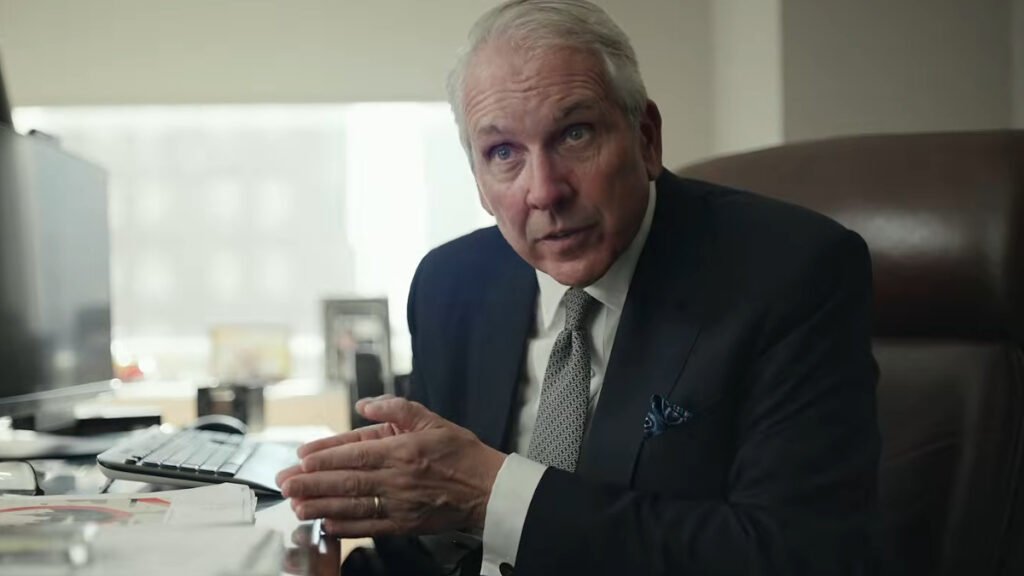
This is where things get more complicated for me when it comes to my opinion of the documentary. The case is really important, and yet there is not enough time – only 35 minutes. Instadocs: Jane Doe v. Cornell shifts quickly through the sexual assault, the process of reporting it, the decisions of the college to take some action, the culture of fraternities, the law called Title IX, and the reaction of society. All of the aspects should be covered, but the documentary seems to be more interested in collecting all the necessary information rather than analysing it.
In addition, I am aware of the importance of providing this information in a form that is easily available to individuals who have not necessarily been following news on the matter. Not everyone spends his or her time reading investigative reporting or monitoring every developing story. However, a documentary can provide all the necessary information, give the opinion of experts, and make viewers see why this story is important to know about. Nevertheless, the fact that this documentary came out so quickly after the news was released about this case makes this approach seem very hasty.
These new developments only bring this limitation into focus. It is reported that Jane Doe has been receiving death threats, doxxed, and even swatted after her lawsuit gained publicity. Cornell University has put certain limits on Greek Life activities, but independent reviews of how it handles cases of sexual misconduct have also been started. The individuals who are accused of these crimes have claimed innocence, and there are no criminal charges filed against anyone at this point. It is crucial to note that the situation has not yet concluded.
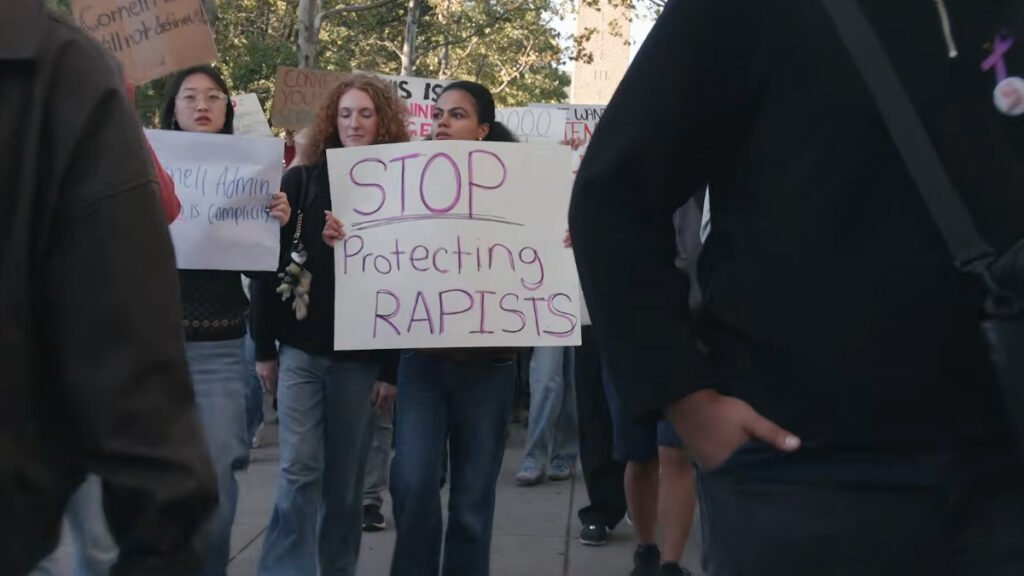
Netflix Instadocs: Jane Doe v. Cornell Review: Summing Up
Overall, Instadocs: Jane Doe v. Cornell serves as a worldwide introduction to a deeply troubling story, yet it does not seem to be the in-depth analysis that this story needs. While it is good that the documentary will be bringing the claims to light and posing questions that surround the way that Cornell is dealing with the situation, I think that more effort could have been spent examining what it is about the institutions that caused the problem in the first place. The issues brought up by Jane Doe’s story should not become yet another scandal that garners attention for a little while and then is promptly forgotten.
Also Read: You Me Us Review: Relatable and Honest Look at Love, Compromise, and Becoming Parents
