

Conversations With a Killer: The Charles Manson Tapes Review

Director: Joe Berlinger
Date Created: 2026-08-12 19:42
4.5
Conversations With a Killer: The Charles Manson Tapes Review: Directed by Joe Berlinger, the Netflix docuseries has three episodes, with each running for roughly 55 minutes, and revisits one of America’s most infamous criminal cases through archival footage, firsthand accounts, interviews and, most importantly, recordings of Charles Manson himself.
Conversations With a Killer: The Charles Manson Tapes Review
This is not the first time that we are hearing the Charles Manson tale. Over the years, his name was linked to documentaries, books, and a myriad of true crime stories. And yet, beginning work on this documentary, I asked myself what more could possibly be said about the case that had already been looked at from virtually every possible angle. What I did not expect was that the whole series does not have to resort to mystifying the story anymore. It simply adds an element of disturbing immediacy by letting Manson tell his own story.
Netflix’s Conversations With a Killer: The Charles Manson Tapes docuseries opens up with an explanation of Manson’s rise to power. Manson is not an overnight phenomenon as far as being the head of a cult that commits murders. The documentary analyses the background and influences behind the shaping of Manson and how he came to understand how to attract vulnerable individuals. His followers comprised mostly young women seeking freedom, acceptance, love, or simply some change from the life they had always lived before. Manson provided them with an opportunity to belong, but eventually, the community was shaped by his beliefs rather than theirs.
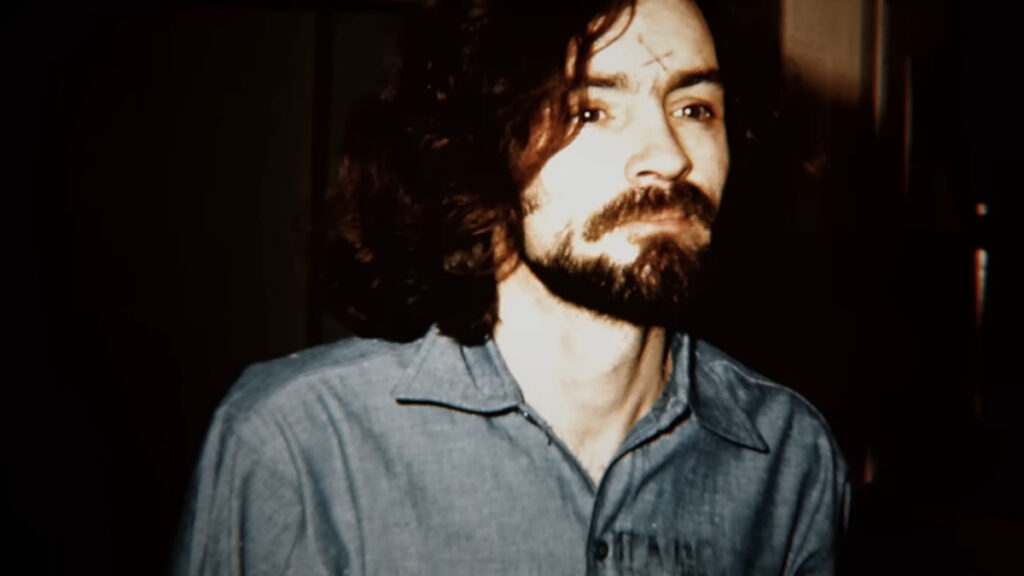
This process is one of the best parts about the Netflix documentary Conversations With a Killer: The Charles Manson Tapes for me. It would be easy to watch this history from afar, knowing that over 50 years have passed, and wonder how anyone could have possibly bought into him. This docuseries shows how manipulation is done. Manson did not have to manipulate people using force that was obvious. He manipulated his followers by being the one they would listen to and believe. Once they were trapped in his own world, his version of reality started to replace theirs.
And here is where the horror begins to set in. Netflix’s Conversations With a Killer: The Charles Manson Tapes looks at the 1969 killings, such as the one in Sharon Tate’s home, as well as the later killings of Leno and Rosemary LaBianca. The violence is disturbing to watch and even more to try to make sense of without reducing the victims to nameless victims in the infamous criminal case. The docuseries shows us that there were indeed real people behind the myths of Manson.
Even more disturbing about the murders is the logic behind them, which seems to defy all normality. The issue of racial confrontation and his so-called theory of Helter Skelter played a very important role in the case, and the strange logic that Manson applied made him weave an intricate web of violence. The docuseries also discusses the relationship between Manson and Bobby Beausoleil, who killed Gary Hinman, revealing the strange logic of Manson that turned one crime into a motivation for another crime.
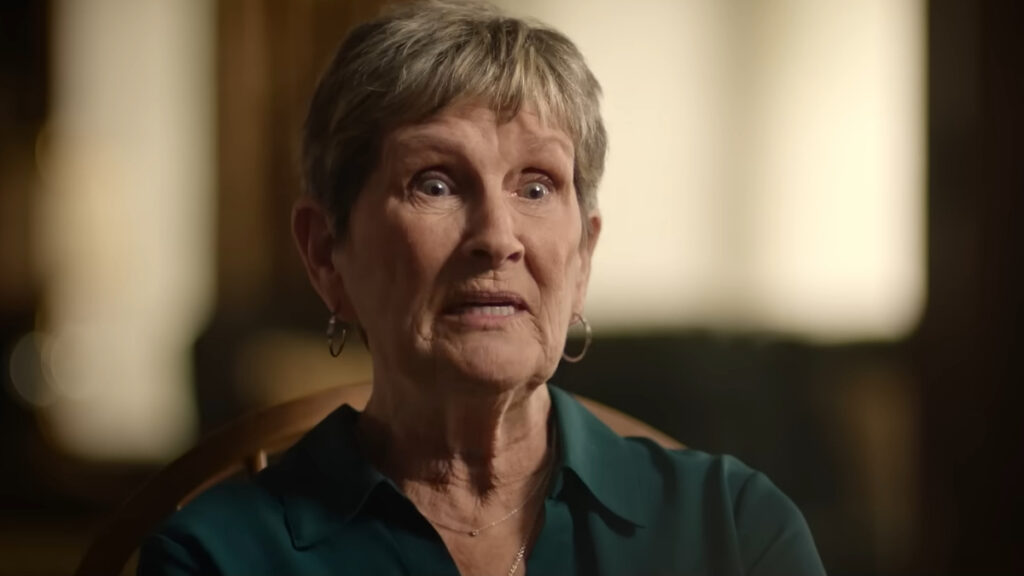
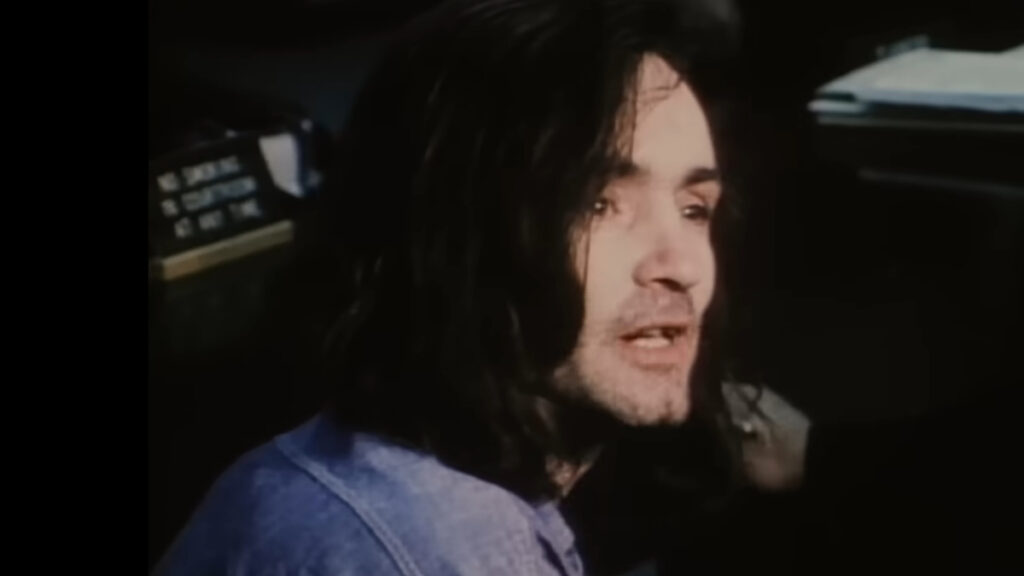
However, the most notable aspect of The Charles Manson Tapes, as the title suggests, is the tapes themselves. Listening to the voice of Manson is unsettling in the sense that the voice of a murderer does not always sound like the voice of a murderer. On the contrary, it can sometimes be rather calm and relaxed. Listening to him talk about his philosophy, followers and thoughts related to the murder creates an impression of a performance he staged for himself.
Fortunately, the documentary never lets Manson have the last say on any topic. In addition to his recordings, there are many interviews and other information that contradict Manson’s account. This is critical, since Manson was very skilled at using explanations as yet another way to spin the story. The series allows us to listen to Manson without letting him control.
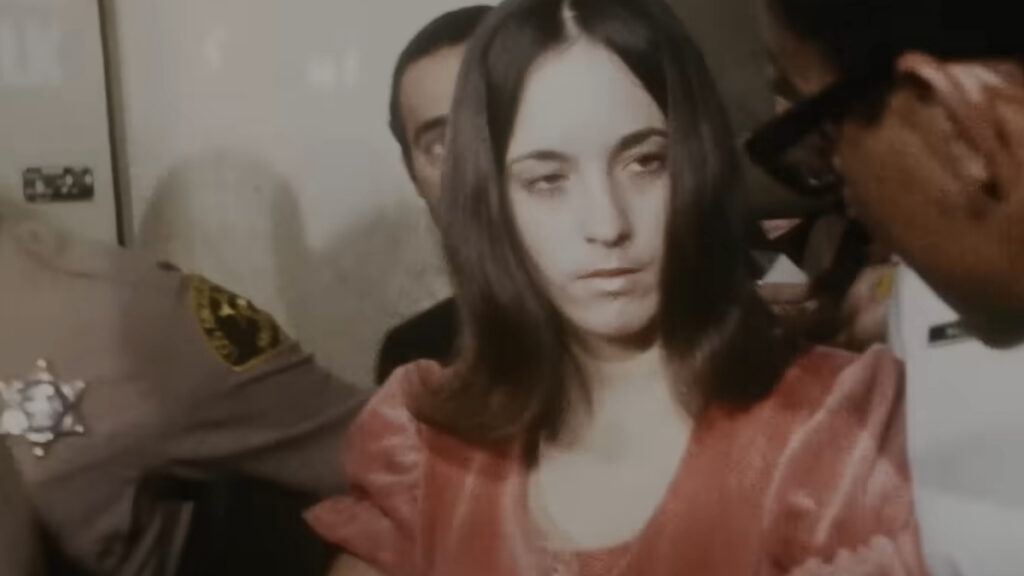
I have also enjoyed the fact that the series does not create any type of pop culture anti-hero out of Manson. It is quite normal for true crime stories to inflate the status of such notorious killers over the victims, but this documentary manages to do justice to the victims’ time and again. The girls who followed him are also an integral part of this story, especially the fact that the urge to belong can be so easily manipulated.
The final episode, which centres on the trial, is also something that I like about the documentary. It is amazing how difficult it is to prove that Manson had anything to do with the murder scenes where he was not actually present. The way they built their case against him makes the ending much more interesting.
Netflix Conversations With a Killer: The Charles Manson Tapes Review: Summing Up
Overall, the Conversations With a Killer: The Charles Manson Tapes documentary is a dark, disturbing and highly efficient true crime documentary. To me, the docuseries’ main strength is that it does not attempt to create any mystery around Manson but rather deconstructs the myth and shows how manipulation, madness and the need for acceptance made it possible for such terrible things to happen. What makes this experience particularly unnerving is the fact that we listen to Manson constructing his own story while the documentary constantly reminds us of the reality.
Also Read: Possession Review: Haunting Tale of Slavery, Secrets and a Curse That Needed More Time
