

Missing: Dead or Alive Season 2 Review

Director: Alexander Irvine-Cox
Date Created: 2025-11-24 19:27
2
Missing: Dead or Alive Season 2 Review: Helmed by Alexander Irvine-Cox, the new season, this time comes with four episodes on Netflix, wherein detectives Heidi Jackson, Vicki Rains, and J.P. Smith are at the forefront of investigations into Missing Persons for the state of South Carolina. The docu-series tries to weigh in on both the emotional and procedural heft of disappearance cases while delving deep inside the work of these officers to bring the truth to light in three major cases, from a panicked mother in search of her toddler to mysterious disappearances of vulnerable young adults.
Missing: Dead or Alive Season 2 Review
The Netflix docuseries Missing: Dead or Alive Season 2 claims to be a raw continuation of real-life cases filled with doubt and fear. The show shifts back and forth between a structured narrative and an intimate perspective of the officers dealing with difficult emotions. Still, the flaws in the overall execution, notwithstanding the very interesting cases, eventually affect the viewership experience.
The new season starts with more or less its simplest case – the three-year-old Bentley’s disappearance. In this case, the urgency is almost unbearable, and the episode very briefly succeeds in presenting the immersive energy of a real-time investigation. The search in the woods, the tempo, and the officers’ growing anxiety produce a tense rhythm. However, while this brief thrill captures the audience’s attention, the case concludes so suddenly that it seems to be a short prologue rather than one comprehensive episode, thus leaving very little emotional or investigative depth behind.

The story gradually switches to cases like that of the disappearance of Morgan Duncan, which are more complex and troubling. The case comes with tone shifts from suspenseful and urgent. The series tries to create tension through recreating timelines, using surveillance footage, and interviewing police officers; the techniques should, in theory, make Netflix’s Missing: Dead or Alive Season 2 more immersive.
The truth is, however, that the execution very often gravitates towards dramatisation that is heavily dependent on reenactment, which then comes into conflict with the seriousness of the real events. The reenacted scenes give off a vibe of being rehearsed or staged too much, occasionally even being emotionally detached, which in turn diminishes the authenticity of the tragedy that is unfolding.
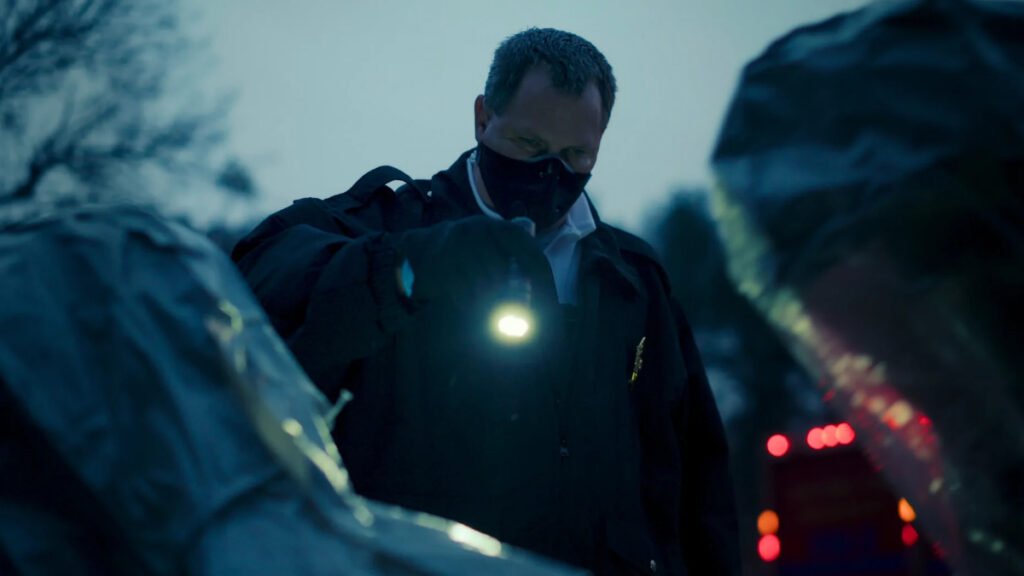
That becomes the show’s biggest hurdle: it never really settles on a balance between the two aspects, documentary and dramatisation, and the experience of watching never truly feels either wholly factual or convincingly cinematic.
What still resonates, though, is the emotional presence of the detectives themselves. It is engrossing to watch Vicki Rains work with families, navigate painful interviews, and put words to frustrations felt by her team. Certainly, the dedication from the officers remains commendable, especially in cases related to mental illness, vulnerable communities, and high-risk disappearances.
Also Read: 2025 MAMA Awards Lineup, Where to Watch, Hosts, Nominations and Everything You Need to Know
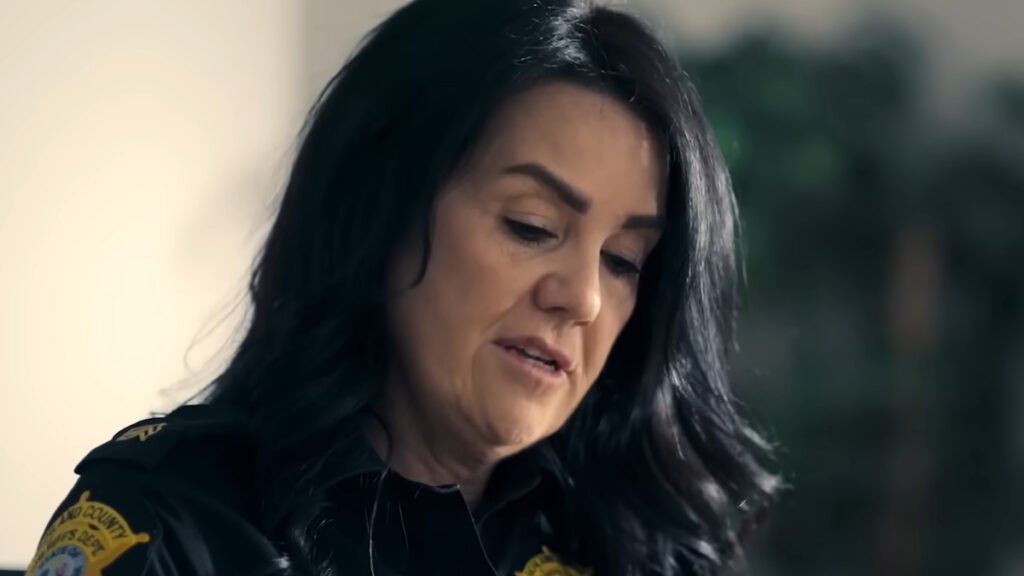
But even as the personal stake of the investigators tightens the emotional core, Season 2 of Missing: Dead or Alive falters in giving those moments the room they need. Scenes cut in too rapidly, narrative threads veer in and out, and pacing shifts abruptly-all of which blunts the impact of these powerful human stories.
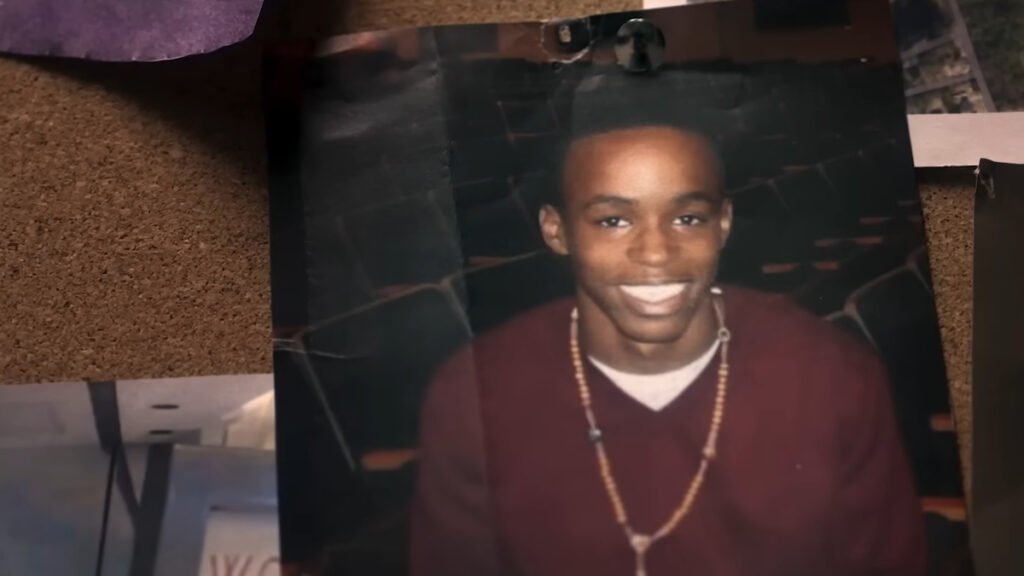
Take the case of Shandon Floyd, for example; it is a very difficult and unfortunate case that carries a lot of emotional weight. There are several layers of vulnerability that surround her disappearance, like her identity, her environment, and the people she was with. But, even though the situation is so grave, the editing choices of the docuseries feel almost like hurrying, with the main points being discussed, but the ones that could have added more understanding and compassion being left out.
The social contexts that render certain individuals more susceptible to harm could have been explored, but the episode instead relies on dramatised beats, which are not only contrasting but are also at the very heart of her tragedy.
One of the main elements of true-crime storytelling is the proper use of pacing and payoff. A case can gradually unfold, but the preceding should take the viewers either to a meaningful narrative or an emotional place. Sadly, the documentary Missing: Dead or Alive Season 2 very often gives up the payoff for the sake of the stylisation.
The Morgan Duncan case should have been the highlight of the season. The deceitful layers, the participation of several suspects, the terrorising signs of drug networks, and the uncertainty regarding his destiny all lingered about him and formed the basis for a very captivating detective story. The show, however, loses momentum by alternating between reenactments and narration that is emotionally distant. Furthermore, the eventual reveal happens months later, when Morgan’s body is found, and it is presented as a speedy update without the impact the story so far deserves.
Likewise, the unfortunate reality of Shandon’s vanishing, which sprang from a fatal overdose and the resultant panic and negligence, is very disturbing. However, the series quickly skims over the critical viewpoints and thereby omits the chance of a detailed presentation of drug addiction, exploitation, and the legal loopholes, among others, which are the systemic issues that lead to such darkness in the first place. The series does not hold these themes longer; it just gives us a brief look before moving on, thus leaving the audience with an incomplete resolution and lower emotional stakes.

The entire documentary Missing: Dead or Alive Season 2 has a mixed feeling. The moments of emotions – particularly the families’ sorrow, anxiety, and weariness – are surely very real. But the way they are presented often seems like a constructed situation. The effort to combine dramatisation with a documentary-style report creates a mood that can sometimes be awkward or even disrespectful, considering the seriousness of the cases.
Netflix Missing Dead or Alive Season 2 Review: Summing Up
Real-life cases that are very interesting to tell and dedicated investigators did not help the second season of Missing: Dead or Alive to overcome the problem of its confused identity, and thus deliver inconsistent storytelling. The emotional potential is certainly very high, but the execution of it is done in such a way that it loses its impact through the use of reenactments that have become clichéd, abrupt pacing, and missed opportunities for deeper insights.
Also Read: 5 Kdramas Like Dear X That Dive Into Twisted Minds, Dark Pasts, and Unforgettable Anti-Heroines
