

Cunk on Cinema Review: Directed by Al Campbell, the Netflix series stars Diane Morgan as Philomena Cunk, the confidently clueless documentary presenter who returns to investigate one of humanity’s greatest inventions: cinema. The series features appearances from several prominent names in the film industry and beyond, including Michael Bay, Benedict Cumberbatch, Sarah Churchwell, Mark Kermode, Steven E. de Souza and composer Daniel Pemberton. The series has six episodes, each with a run time of approximately 14 to 15 minutes.
Cunk on Cinema Review
Netflix’s Cunk on Cinema series takes its audience on a tour of film history that starts with the invention of the moving image, moves through the era of silent films, the advent of sound, the golden era of Hollywood, European film movements and concludes with the age of blockbusters and digital revolution. In this tour of film history, Cunk talks about famous filmmakers and actors, great films made through the years and the evolution of the relationship between moviegoers and movies. But this is certainly not an ordinary lesson in history. She confuses basic ideas, pronounces key names wrongly and goes ahead and puts forward some totally absurd theories to experts in the field.
So is Netflix mockumentary Cunk on Cinema funny? The reason for it being funny lies in the fact that it turns the most obvious and well-known subject into the funniest possible discussion. I have seen many documentary films dedicated to the history of cinematography, but I have never come across one where somebody could jump from talking about the Lumière brothers to questioning how an actor enters the character via his or her northern or southern hole. This kind of humour is what this program thrives on, and Diane Morgan knows her character inside out.
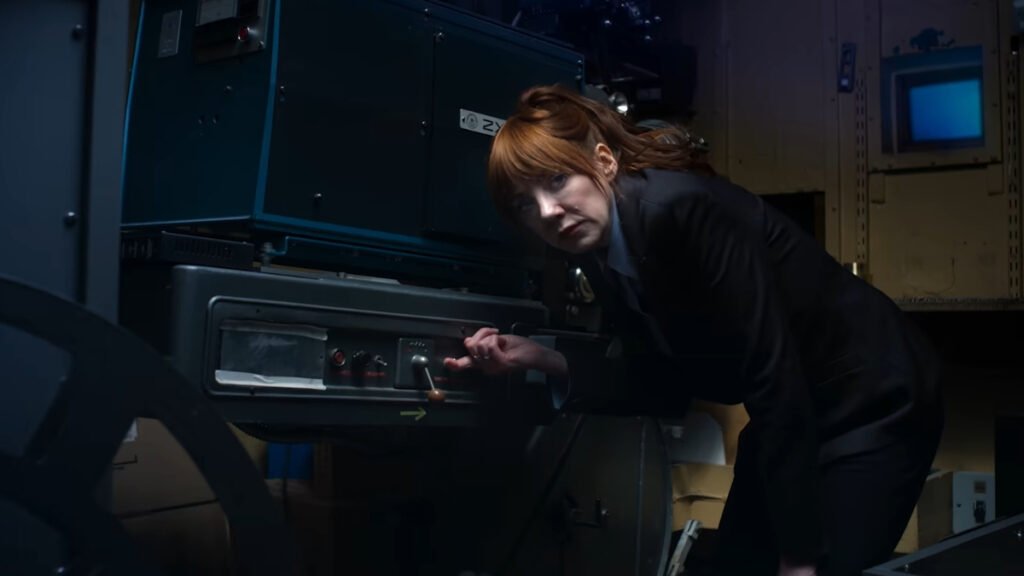
Philomena Cunk is not merely an uneducated host who sometimes makes errors. Instead, she has a unique talent for misunderstanding everything around her and feeling absolutely confident in the correctness of her actions and words. What I especially liked about Philomena was how seriously she treated significant moments in the history of filmmaking, which were made up by her. Thus, when talking about early cinema, she was taking the well-known film of the Lumière brothers very seriously, despite the fact that the title gave away all the surprise. Later, she had trouble understanding the meaning of Metropolis, interpreting the name in the way that it sounded as some kind of police station.
The best thing is that the humour is not based only on mocking the old movies. The fun is in seeing how Cunk manages to turn some of the greatest cinematographic accomplishments into something that could not be predicted by any means. Her understanding of Chaplin, Keaton and the role they played in the development of silent comedies is very funny as she tries to make sense of their physical performance in terms that have nothing to do with it. The episode when Keaton’s house is falling down is a perfect illustration of this approach.
But it is in the interviews that the show becomes really funny. The interviews that Cunk conducts with people who have been working in the movie industry for years bring humour to another level. Michael Bay is undoubtedly one of the best examples of such an interview. Given the fact that there are a lot of explosions in his movies, the question asked by Cunk on whether he could create a movie that does not involve any explosion in ten minutes is the kind of question that I do not expect anyone to ask a director.
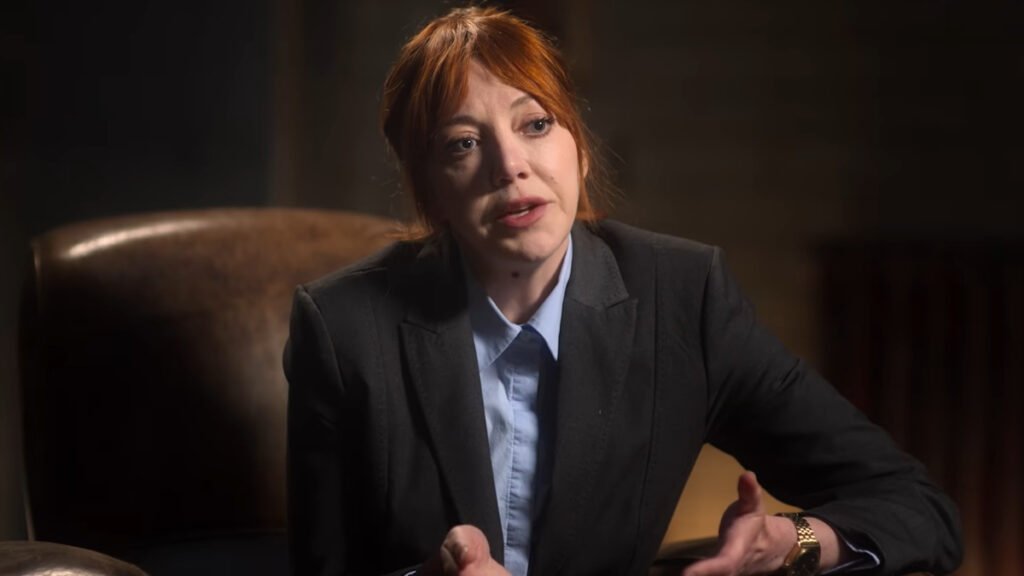
Interviews like the one she conducts with Benedict Cumberbatch can also be considered a great addition to the show. It is so hilarious when a host asks an actor whether it is necessary to crawl into a character through the northern or southern hole. The same goes for the interview with Daniel Pemberton, where she talks to him about the music of the shark in Jaws. It is really funny to hear her asking how the shark could have composed such an iconic tune.
It is also worth appreciating the fact that the Netflix series Cunk on Cinema actually pays attention to the topic it claims to cover. Underneath Cunk’s nonsensical rambling lies a real tour of the history of cinema. This tour starts with silent films and German Expressionism, then goes to the French New Wave, film noirs, the age of the blockbuster movie, independent movies, and concludes with the current state of superhero franchises. Television and its effects on movies are also mentioned in the series. Of course, one shouldn’t expect a film history lesson from this series, but there is enough information to make the trip enjoyable.
Interestingly, the following talks on artificial intelligence bring about a certain deviation in the plot. The fascination of Cunk with AI is yet another chance to show how Cunk misinterprets technological advances, yet AI itself poses some intriguing questions that one can ponder. With filmmaking being highly dependent on computer-generated images and AI-generated material these days, it does seem rather plausible that machines might alter the way movies are created. The combination of Cunk’s silly remarks and truly thought-provoking questions makes this episode especially intriguing.
Netflix Cunk on Cinema Review: Summing Up
Overall, 2026 Cunk on Cinema is a good watch, and you will enjoy it if you enjoy the humour of Diane Morgan since she is able to portray Philomena Cunk perfectly. With her mannerisms, delivery and absence of shame, even the least funny jokes become entertaining. The show does not bring anything new to the format, and some of the jokes could definitely have been shortened, but still, there are plenty of very funny interviews.
