

BTS: The Return Review

Director: Bao Nguyen
Date Created: 2026-03-27 20:03
4.5
BTS: The Return Review: Directed by Bao Nguyen, the deeply intimate Netflix documentary is about the world’s biggest boyband, BTS—Kim Namjoon (RM), Kim Seokjin (Jin), Min Yoongi (Suga), Jung Hoseok (J-Hope), Park Jimin, Kim Taehyung (V), and Jeon Jungkook—reuniting for their long-awaited group comeback. Not only does the film include the members of BTS, but also the producers and lyricists of the boy band’s music. It is an unfiltered look into the true effort it requires for the world’s biggest boy band to make a comeback after years of individual development and mandatory military service.
BTS: The Return Review
After a four-year hiatus as a group, BTS finally comes back together to work on their new album Arirang, and while the world rejoices at their return, the documentary reveals that the road to it was by no means easy. The documentary is shot between Los Angeles and Korea as it tells the story of the group as they deal with their differences, their own self-doubt, and the pressure not only from their own fans, but also from the industry as a whole, which depends on their success.
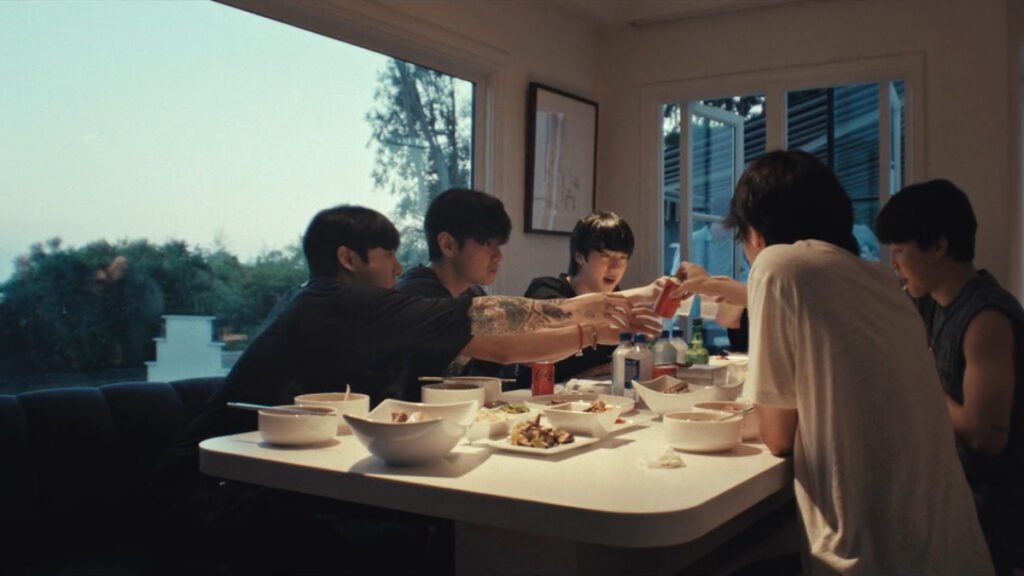
While the Netflix documentary BTS: The Return doesn’t boast much in the way of the K-pop group’s comeback, it is a quiet one in the way it deals with the issues of pressure, identity, and self-discovery.
What is so special about this documentary BTS: The Return, is how realistic it is. There are no over-the-top interviews or anything of that sort. It is simply seven artists trying to get things right. You see RM thinking about lyrics, Suga getting frustrated, and so on. It’s a side of BTS that the fans don’t always get to see, and it makes you realize that even for them, life isn’t always easy.

One of the most emotional scenes in BTS: The Return documentary, and definitely one of my personal favourites, has got to be the scene where they look back at their days as a debut group. It’s one thing to see these seven young boys wearing their simple black outfits, filled with dreams and ambitions, but it’s another to see who they’ve become today. It’s almost surreal seeing them perform their song “Young Forever” and reminisce about that period in their lives. It’s like seeing their past and present selves in one scene, and as a viewer, it’s impossible not to feel a certain emotion.
Something that the documentary also shows is something that has always been unique to BTS—an emphasis on authenticity. You can see a clip where they are recording, and someone remarks that something they are working with feels too familiar, like they have done it before. This is basically them in a nutshell. They are not interested in dwelling on their success in the past, nor are they interested in taking the easy route. They know they can release an average product and still end up at the top of the charts, but they are not interested in taking the easy route.

However, at the same time, Netflix’s BTS: The Return doesn’t hold back in showing the pressure they are under. In conversations with their label, in arguments over which songs they should use in their comeback, you can sense the pressure they are under. They are not just making music; they are making music because they have to live up to their legacy, make the world proud, and at the same time prove to the world that they have something new to say. And in all honesty, you cannot help but admire them for it. They are still artists, after all, and they still have a passion for making music.
What I personally loved is the way the documentary made me fall in love with the album Arirang even more. I have been absolutely obsessed with this album since it came out, but hearing about how they struggled and doubted themselves when creating this album puts a completely new meaning into this music. This is not only an album; this is a reflection of everything they have been through in the last few years of their life.

The relationship they have with one another is yet another highlight in this film that goes on quietly in the background. Whether it is through little conversations, laughter, or silence, you can see how much they depend on one another. You can even sense how much they trust one another when they are arguing. This relationship is still their biggest strength.
Of course, this documentary is not for everyone. If you are expecting a lot of performances and a big return with a lot of grand moments, this might seem a little slow. But if you are someone who wants to learn more about BTS, not just as a group, but as artists and people, then it works wonderfully well.

Netflix BTS: The Return Review: Summing Up
In the end, BTS: The Return is not a documentary just about a comeback. It is a movie about growth, about identity, about the constant fight of being true to who you are in a world that is always asking for more. It is a reminder of why BTS is not only the biggest boy band in the world, but why they are also one of the biggest artists in the world that continues to grow and challenge themselves. But above all else, it is a movie that makes you feel one thing: you re-fall in love with them all over again.
Also Read: BTS ARIRANG Album Review and Ranked: Masterpiece, Addictive Bangers, and Emotional Perfection
