

Radioactive Emergency Review

Director: Fernando Coimbra and Iberê Carvalho
Date Created: 2026-03-18 21:08
4
Radioactive Emergency Review: Directed by Fernando Coimbra and Iberê Carvalho and created by Gustavo Lipsztein, this five-episode Netflix miniseries Emergência Radioativa dives into the horrifying real-life 1987 Goiânia radiation incident in Brazil. Starring Johnny Massaro as Márcio, Paulo Gorgulho as Orenstein, alongside Tuca Andrada, Bukassa Kabengele, Ana Costa, Alan Rocha, Marina Merlino, William Costa, Antonio Saboia, Luiz Bertazzo, Clarissa Kiste and others.
Radioactive Emergency Review
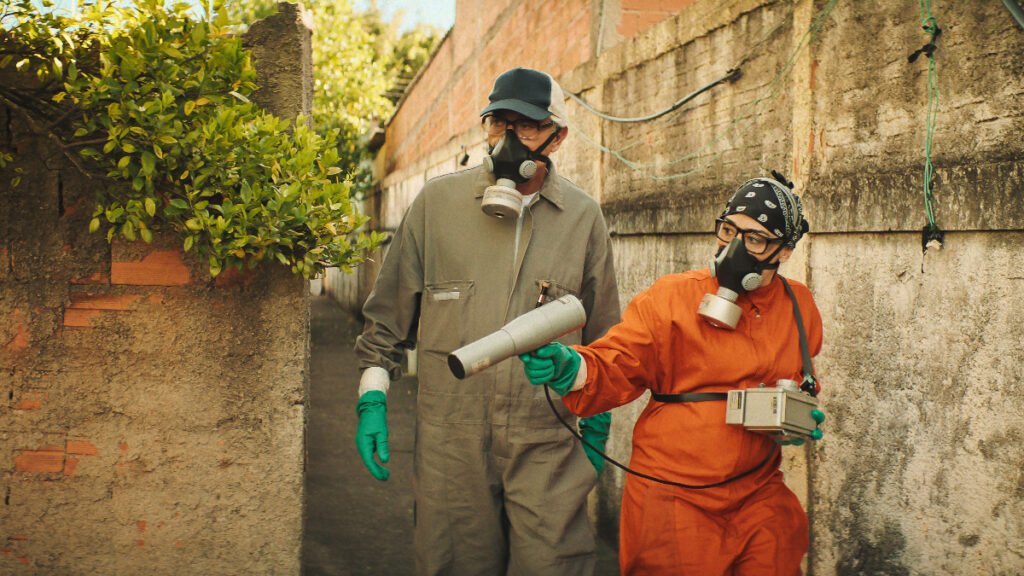
In the series Radioactive Emergency, a group of scrap collectors in the year 1987 discovers an old device from the past hidden away in a deserted clinic. The scrap collectors suspect that there might be something valuable inside the device and, out of curiosity, open the device to find the glowing substance inside. However, the scrap collectors are unaware that the substance contains the highly poisonous Caesium-137. The curiosity of the scrap collectors leads them to distribute the substance throughout the town by passing it from one scrap collector to another. This simple action sparks a chain reaction that poisons the town in ways that are not yet fully understood.
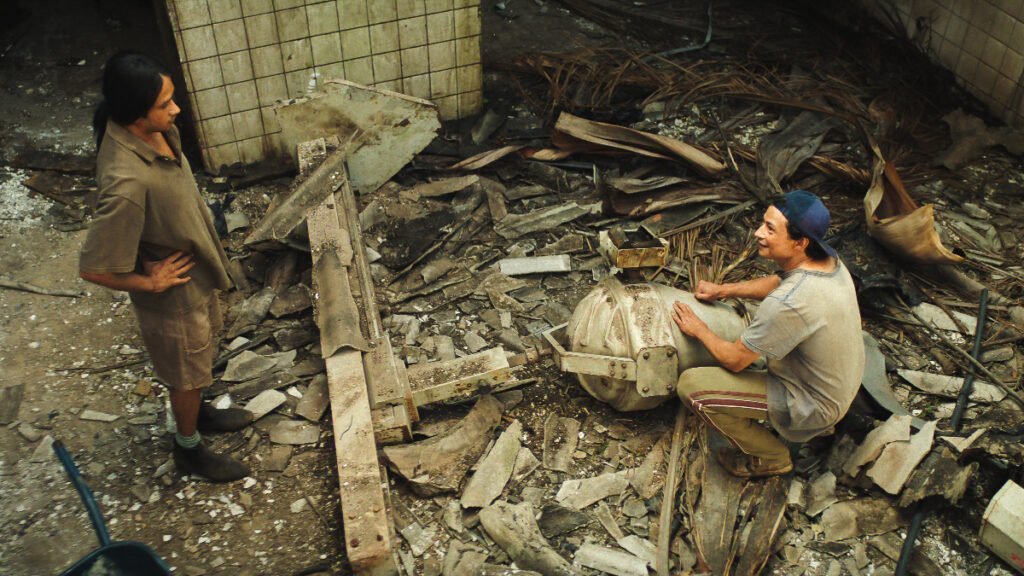
Netflix’s Radioactive Emergency has a calm, eerie atmosphere that pervades the entire series. The terror is not about an explosion that is loud and flashy, nor is it about a threat that is loud and boisterous; the terror is about the silent, insidious threat of radiation, the kind that is not seen, not heard, but felt as it changes the lives of people around us.
The pacing is well-done, with each aspect of the disaster getting its due consideration. There is the ticking clock and the physicists trying to comprehend and reduce the damage from the radioactive spill. One thread of the story is about the scientists trying to contain the radiation spewing from the reactors, the other is about the ordinary people whose lives are changed in an instant, and the Radioactive Emergency series constantly reminds us that this is not just a science problem, this is a people problem.
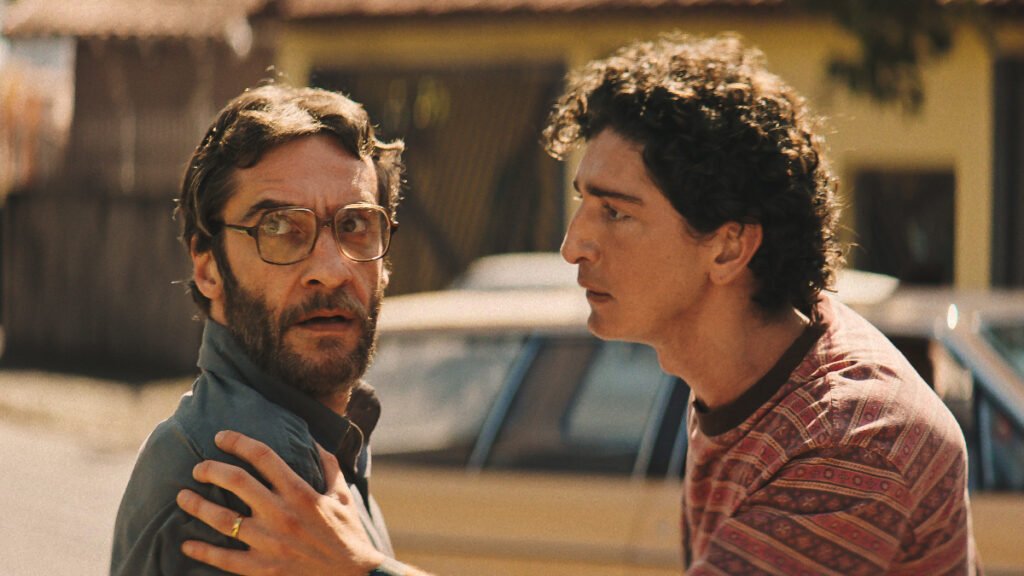
Márcio, played by Johnny Massaro, and Orenstein, played by Paulo Gorgulho, are the glue that holds the narrative together as the scientists at the centre of the disaster, as well as the characters around whom the narrative is built as the story of their dramatic arc plays out. The intelligence, desperation, and frustration of the two men feel very real as they deal with the disaster that is quickly spiralling out of control.
Netflix series Radioactive Emergency takes the lens away from the scientists and focuses on the individuals within the community who are feeling the effects of the fallout in very real ways. Fear, distrust, and the stubborn refusal to listen to the advice of the experts cause misinformation to spread throughout all the characters, adding yet another level of chaos to the mix with a very realistic effect.
Also Read: The Plastic Detox Review: Eye-Opening Netflix Documentary Makes You Rethink Everyday Plastic
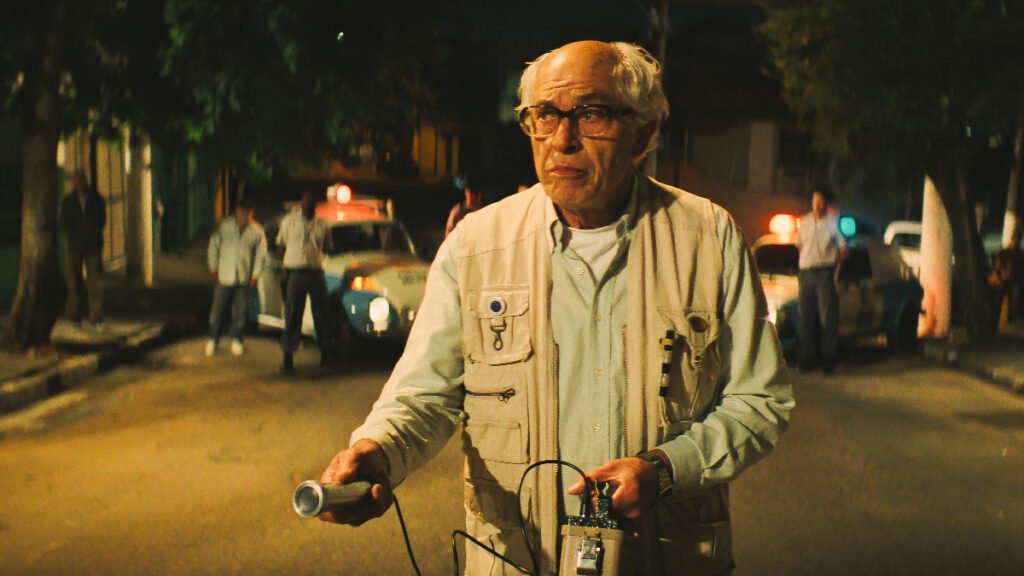
The politics and crises are played out with no pretence of a step-by-step progression from the initial contact to the next action. It’s all out in the open, with all the panic, miscommunication, delays, and, especially, selfishness that make this problem bigger than it already is. It’s not beating you over the head with a message, but it’s clear that this series illustrates just how much systemic problems are embedded in so many processes, and how those problems then reflect back on the people those processes are intended to protect. It’s that way today.
What really struck me was the way the series handles healthcare workers and responders. The pop-up hospitals look very realistic and convey the tremendous work these individuals are doing to help others, even at great cost to themselves. It is a sad and hopeful message that speaks to heroism in unexpected ways. From a technical standpoint, the series is very simple, but it is done very well. It doesn’t have flashy production qualities, and that’s part of the point. It’s a visually cohesive series with a limited colour palette, subdued colours, and competent directing and storytelling that’s almost documentary-style. All of that adds up to a heavy, almost graven aesthetic.
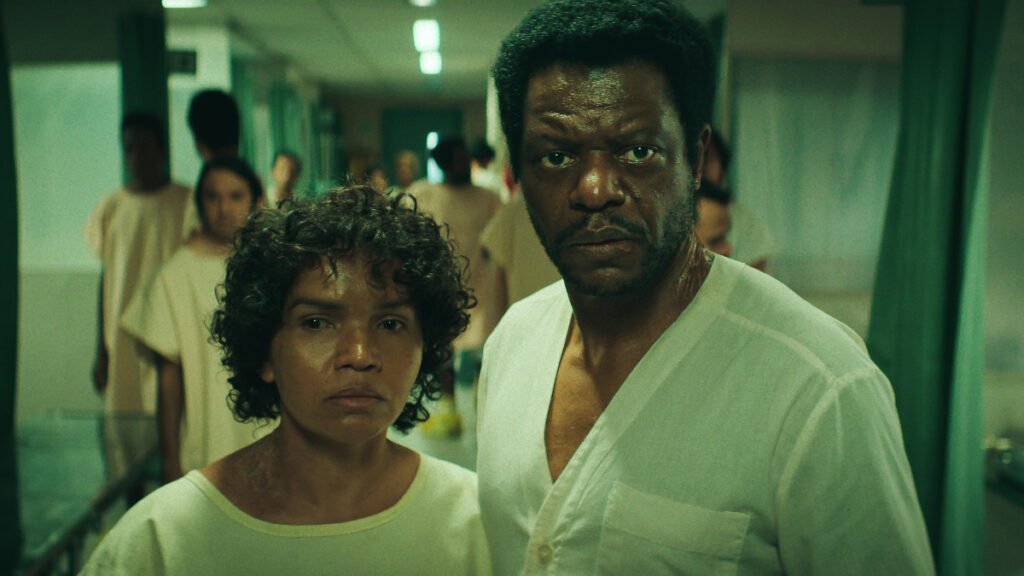
The only downsides are that the series is slow in the middle, with scenes going on a bit longer than they need to in order to fit the pacing of the plot. There are also many flat supporting characters. The purpose of their part is obvious when considering the larger picture, but they do not leave a lasting emotional impact.
Further, Brazilian series Radioactive Emergency is a gut-wrenching ride. It shows the harsh, true effects of radiation exposure, sometimes in a manner that tugs hard on your heart. There is something laudable in the unadulterated truth-telling with regard to how radiation can change your life, but it can be overwhelming and exhausting to watch, especially if one is not mentally prepared to handle this type of intensity.
Netflix Radioactive Emergency Review: Summing Up
Overall, what really makes Radioactive Emergency stand out is not so much its ability to tell a compelling story but rather its ability to teach. There are probably a great number of people out there who are not aware of this incident that occurred in Goiânia, and this series handles this lesser-known tragedy with obvious care, both as tribute and as a cautionary tale.
